
Flight Disruptions in 2026: Why Cancellations Are Running High
Brief Report about Fight Cancellations in 2026

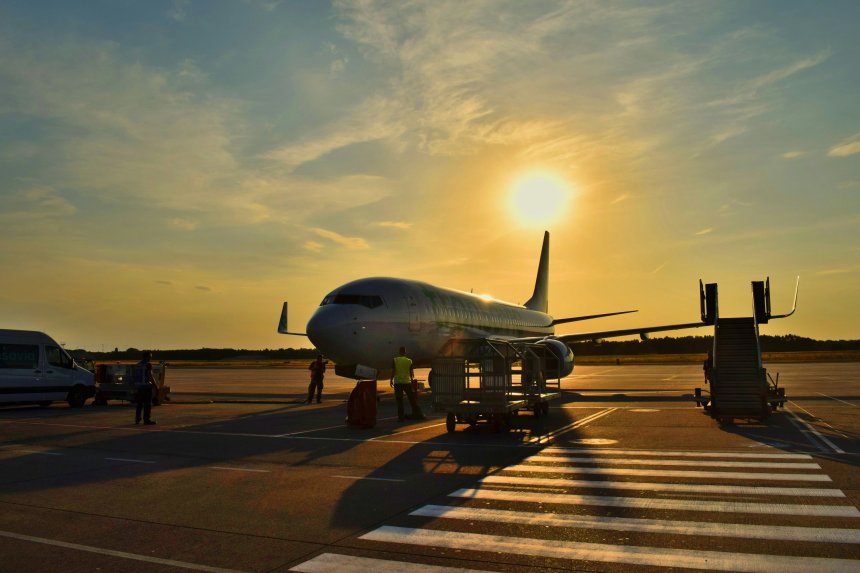
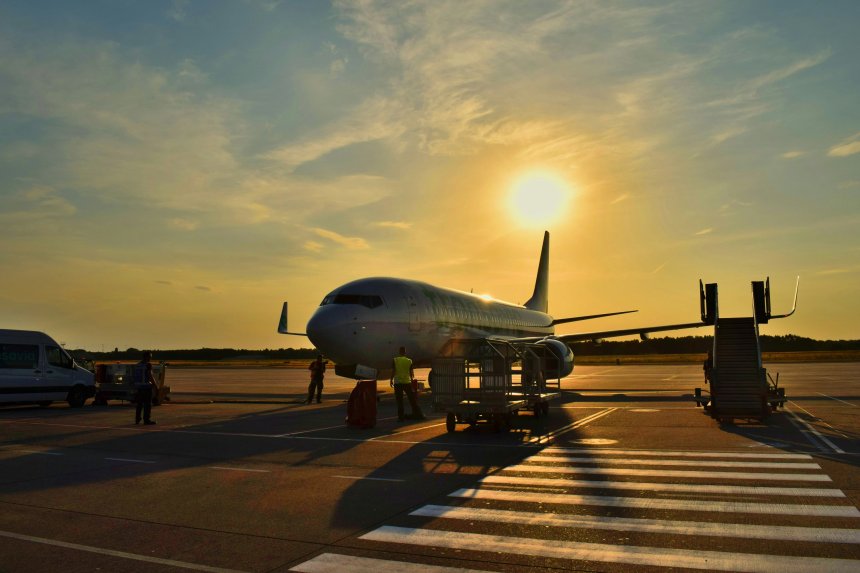
Image Credit: Unsplash • Anna Gru
By: Lena Voss & Maya Brooks- PPM Staff
In early 2026, airlines have faced a growing number of flight cancellations driven by three interacting pressures: fuel supply and pricing shocks, workforce shortages, and tighter operational margins in an unstable geopolitical environment. As of May 2026, reporting indicates that ongoing conflict in the Middle East has continued to disrupt fuel availability and pricing, pushing airlines to scale back schedules and consolidate flights to limit costs.
Key factors behind the rise in cancellations
Jet fuel shortages and higher operating costs: Disruptions tied to regional conflict have tightened global jet fuel supply, and prices have reportedly surged. Many carriers have responded by canceling routes that are harder to serve profitably under these conditions.
Staffing shortages across flight operations: Airlines have been dealing with acute gaps in pilots, cabin crew, and maintenance availability. Even when flights are otherwise feasible, staffing limits (including duty-time and last-minute crew availability) can force cancellation.
Route consolidation to protect profitability: Carriers are increasingly reducing short-haul frequency - especially on routes with multiple daily options - so they can move passengers onto fewer flights and improve load factors while conserving fuel.
Less schedule flexibility, so minor issues cascade: With reduced buffers, small delays or mechanical concerns can trigger broader disruptions, sometimes leading to same-day cancellations rather than recovery on the original timetable.
Air traffic control constraints in some regions: In the U.S., FAA staffing and training backlogs have led to mandated reductions in air traffic capacity in certain areas, contributing to cancellation rates that have been reported in the several-percent range on affected days.
Weather as an amplifying factor: While weather is not new, severe storms in 2026 have reportedly worsened the situation by straining already-limited staffing and increasing the likelihood that crews, aircraft, and connections fall out of position.
What routes are being cut first?
Airlines are generally prioritizing long-haul, high-yield, and international service, while reductions have disproportionately hit regional and domestic itineraries.
Sources: Business Insider; CBC;The Guardian; NerdWallet; KAYAK; additional reporting linked in the original material.
Share
What's Your Reaction?
 Like
1
Like
1
 Dislike
0
Dislike
0
 Love
0
Love
0
 Funny
0
Funny
0
 Angry
0
Angry
0
 Sad
0
Sad
0
 Wow
0
Wow
0