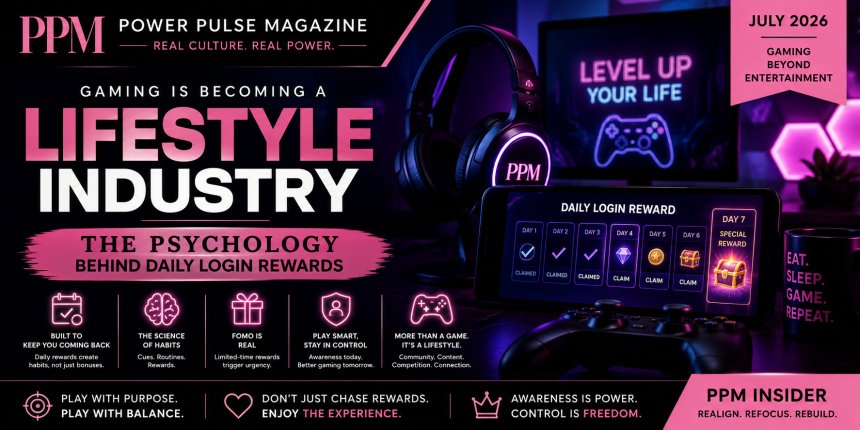
Gaming is becoming a Lifestyle Industry

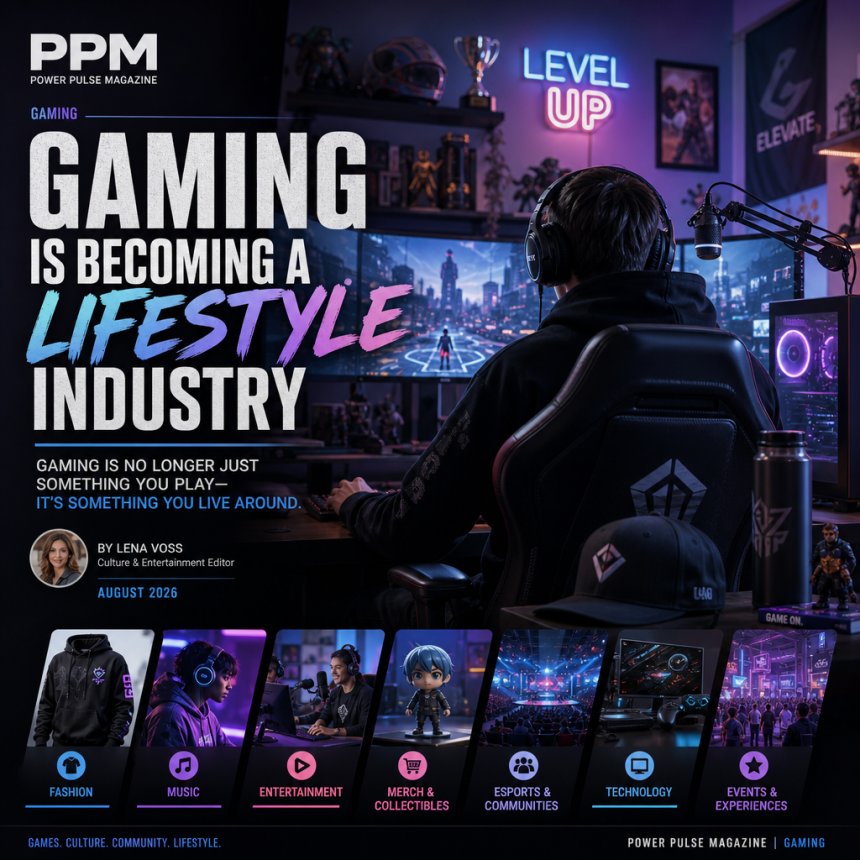

Gaming Is Becoming a Lifestyle Industry
Gaming Is No Longer Just Something You Play—It's Something You Live Around
By: Lena Voss — Culture & Entertainment Editor
Edited By: Todd Deck — PPM Staff
Power Pulse Magazine | August 2026
Category: Gaming
Editor's Note
Gaming has moved far beyond the traditional image of someone sitting alone with a controller.
Today, gaming intersects with entertainment, fashion, music, streaming, social communities, technology, esports, collectibles, events, and even personal identity.
For millions of players, gaming isn't simply a way to spend an evening.
It's part of their lifestyle.
That shift matters—not only for players, but for the businesses, creators, developers, brands, and communities building the next generation of gaming culture.
From Hobby to Lifestyle
Gaming used to be relatively easy to categorize.
You bought a game, played it, and eventually finished it.
Modern gaming doesn't always have an obvious ending.
Games increasingly operate as ongoing digital spaces, with seasonal updates, live events, new content, communities, competitive systems, cosmetic items, and social experiences.
A game can remain relevant for years rather than weeks.
That changes the relationship between the player and the product.
You're no longer simply buying entertainment.
You're potentially joining an ecosystem.
Gaming Is Becoming Social Infrastructure
One of the biggest changes is how games function as places to spend time with other people.
Friends may use a game to:
- Talk after school or work
- Meet people with similar interests
- Compete
- Cooperate
- Watch events
- Celebrate achievements
- Participate in online communities
For some players, the game itself becomes secondary to the relationships surrounding it.
That is an important distinction.
People aren't always logging in because they want to play. Sometimes they're logging in because that's where their people are.
The Rise of the Gaming Lifestyle
Gaming culture now extends into areas that weren't traditionally associated with video games.
1. Fashion
Gaming characters, esports teams, franchises, and collaborations increasingly influence clothing, accessories, collectibles, and streetwear.
2. Music
Games have become platforms for virtual performances, music releases, artist collaborations, and soundtrack discovery.
3. Entertainment
Gaming content itself has become entertainment through livestreams, tournaments, videos, podcasts, and creator communities.
4. Food & Merchandise
Major gaming franchises increasingly extend into physical products, collectibles, themed experiences, and limited releases.
5. Technology
Gaming continues to influence hardware, displays, mobile devices, cloud services, controllers, audio equipment, and networking technology.
The result is an industry that increasingly overlaps with everyday consumer culture.
Gaming Is Also a Business Model
The modern gaming industry doesn't rely solely on selling a game once.
Many games generate revenue through combinations of:
- Premium purchases
- Downloadable content
- Cosmetic items
- Battle passes
- Subscriptions
- Expansions
- Advertising
- Events
- Merchandise
This creates an important change for players.
When a game operates continuously, the business model may depend on encouraging players to remain engaged over time.
That can be positive when it funds meaningful updates and ongoing development.
But players should understand what they're participating in.
The Psychology of Staying Engaged
This connects directly to our upcoming PPM supporting story:
Gaming Burnout Is Real
Daily rewards, limited-time events, seasonal content, progression systems, achievements, and competitive rankings can create strong incentives to keep returning.
The problem isn't engagement itself.
The problem begins when entertainment starts feeling like an obligation.
A player may eventually think:
"I have to log in."
instead of:
"I want to play."
That's an important difference.
The Hidden Cost: Time
Money isn't the only resource involved in modern gaming.
Time is arguably more important.
A free-to-play game may cost nothing financially while consuming hours of a player's week.
That doesn't automatically make the experience negative.
Entertainment is supposed to take time.
The better question is whether the time feels worthwhile.
Ask:
- Am I still enjoying this?
- Am I playing because I want to?
- Am I constantly trying to catch up?
- Am I sacrificing sleep, responsibilities, or relationships?
- Would I still play if there were no rewards for logging in?
Those questions can reveal whether gaming remains recreation or has become another obligation.
Why This Matters for the Industry
The lifestyle shift creates enormous opportunities.
Developers can create deeper communities.
Creators can build businesses around gaming.
Brands can reach highly engaged audiences.
Esports can become entertainment properties.
Game worlds can become social spaces.
But with greater influence comes greater responsibility.
The strongest gaming ecosystems aren't necessarily those that keep players online the longest.
They're the ones that give players a reason to return because the experience remains genuinely valuable.
What Gamers Should Know
You don't need to reject modern gaming.
You simply need to understand the ecosystem you're participating in.
Know the business model.
Understand whether you're playing a premium game, subscription-based service, free-to-play title, or live-service product.
Understand what is optional.
Cosmetics, boosts, battle passes, and limited-time purchases aren't always necessary to enjoy the core game.
Watch your time.
Track your playtime occasionally. You may be surprised by how quickly short sessions accumulate.
Protect your account.
Use strong, unique passwords and available multi-factor authentication. Your digital account may contain purchases, personal information, and years of progression.
Don't confuse progress with obligation.
Missing an event doesn't mean you've failed.
Sometimes logging off is the healthiest decision a player can make.
The Bigger Picture
Gaming is no longer simply competing with television, movies, or other forms of entertainment.
It's increasingly blending with them.
A player can watch an esports tournament, follow a gaming creator, buy merchandise, listen to game-related music, participate in a Discord community, play the game, and then discuss it online—all within the same cultural ecosystem.
That's why gaming increasingly deserves to be understood as a lifestyle industry, not simply a software category.
PPM Final Word
Gaming has grown up.
It can be entertainment, competition, community, creativity, technology, business, and culture at the same time.
That evolution is exciting.
But the more deeply gaming becomes integrated into everyday life, the more important it becomes for players to understand the systems surrounding the games they love.
The future of gaming won't simply be about making games people want to play.
It will be about creating worlds people want to belong to.
And as that happens, the healthiest gaming culture will be one where players can participate deeply without feeling that they have to participate constantly.
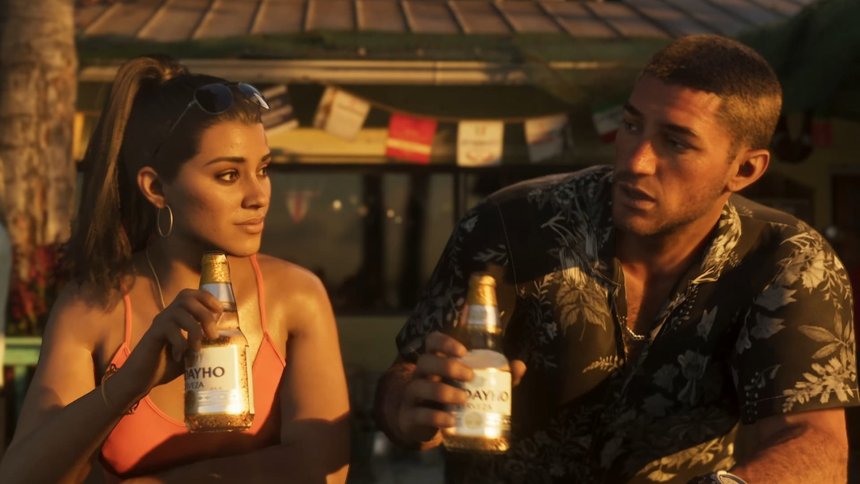
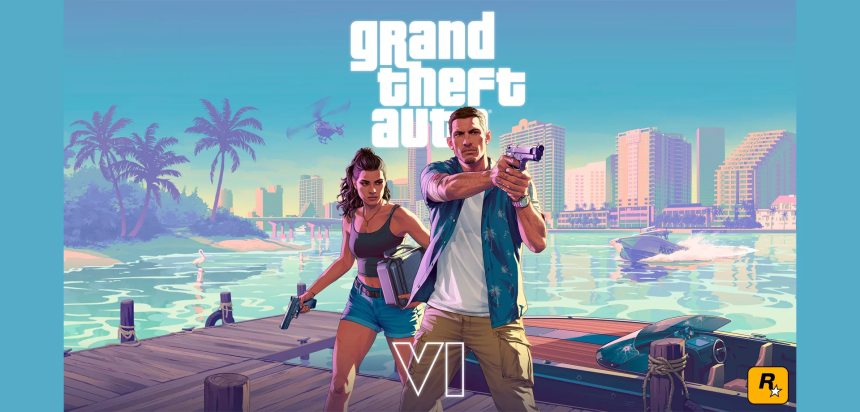
PPM STAFF "SELECTED CLIPS"
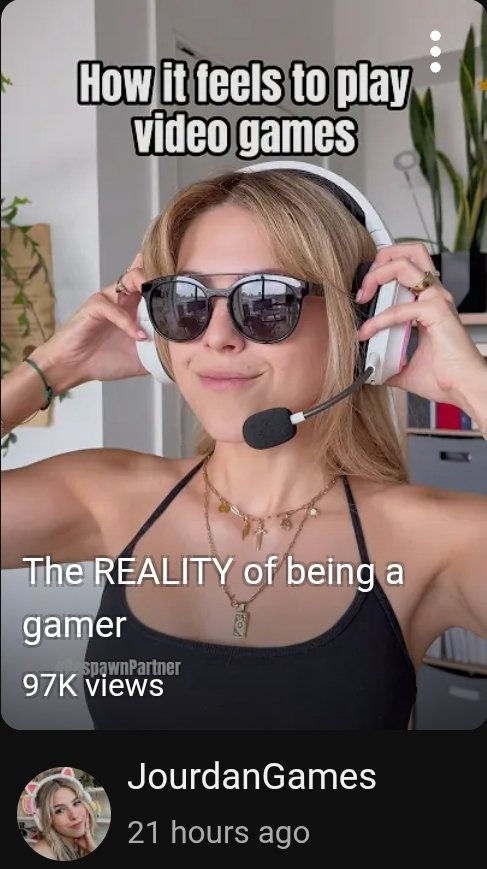
YouTube Short by: JourdanGames
https://youtube.com/shorts/1diVohjnqa8?si=QgUxNElvtFJEeIo_
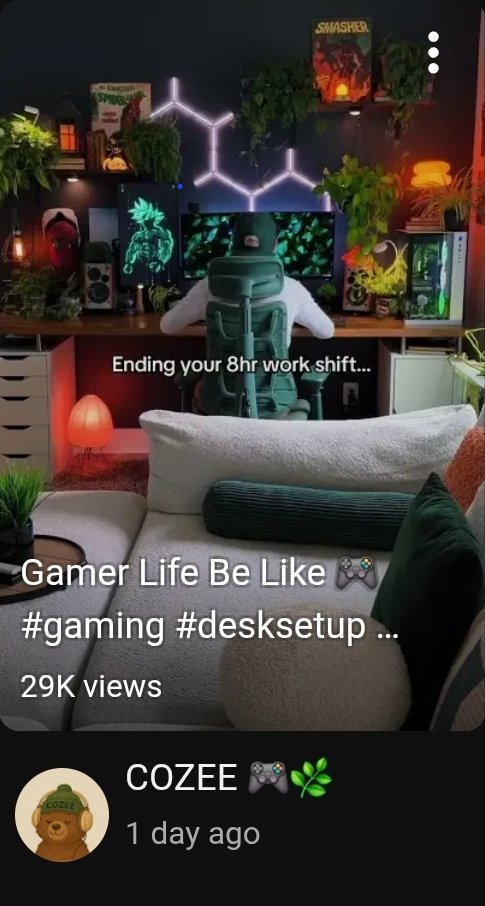
YouTube Short by: COZEE
https://youtube.com/shorts/BJt5pfQniDY?si=Kc9oF3T2ZVYzf4hM
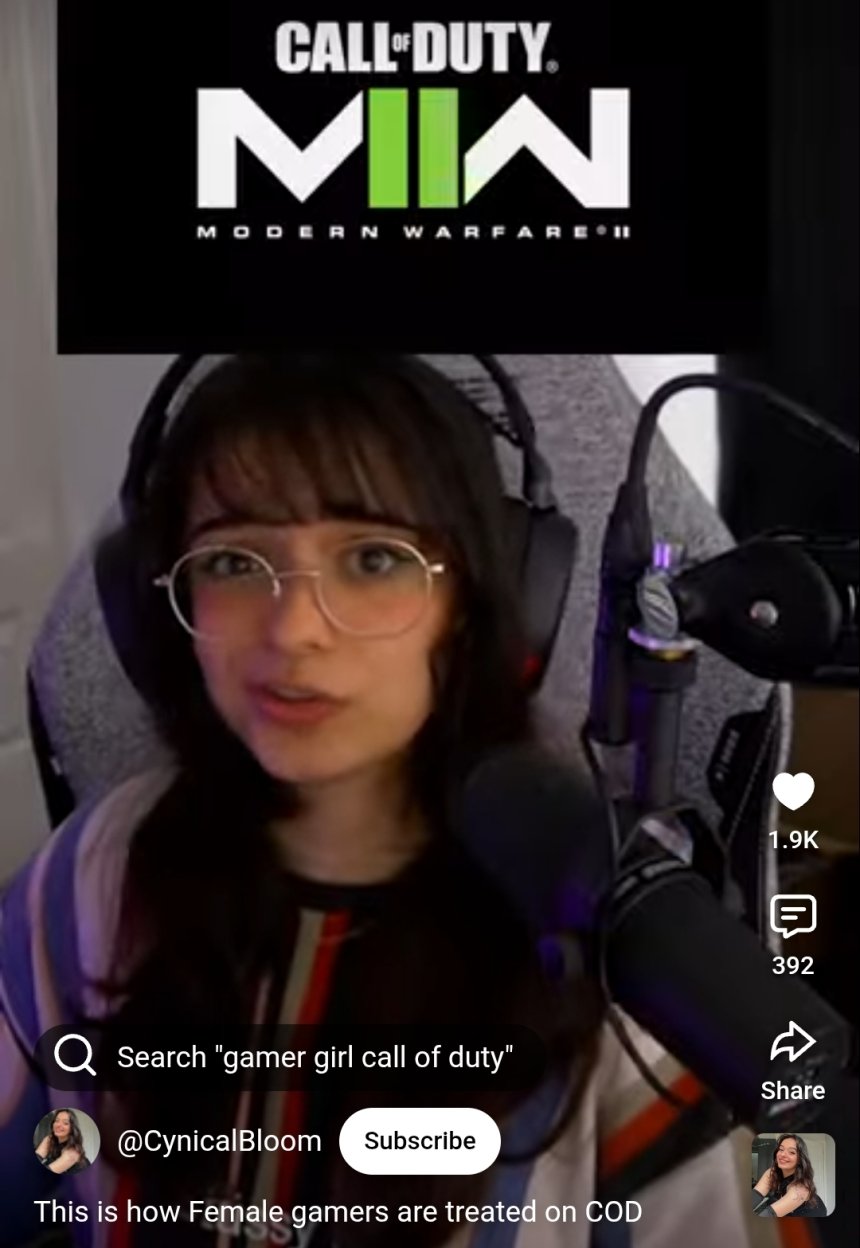
YouTube Short by: CynicalBloom
https://youtube.com/shorts/xSagFk8WS7k?si=nfJYW7AQIpXA_1US
Coming Next on PPM
"Gaming Burnout Is Real"
When Entertainment Starts Feeling Like Another Job
Our upcoming supporting story examines the other side of gaming's lifestyle evolution—from daily quests and limited-time events to competitive pressure, FOMO, completionism, and the importance of knowing when to step away.

Power Pulse Magazine | Gaming
Share
What's Your Reaction?
 Like
1
Like
1
 Dislike
0
Dislike
0
 Love
1
Love
1
 Funny
0
Funny
0
 Angry
0
Angry
0
 Sad
0
Sad
0
 Wow
1
Wow
1