Mood-Boosting Meals: Foods That Fuel Happiness
Part 2 to "Gut Feelings Explained: How Food Choices Affect Your Mood"

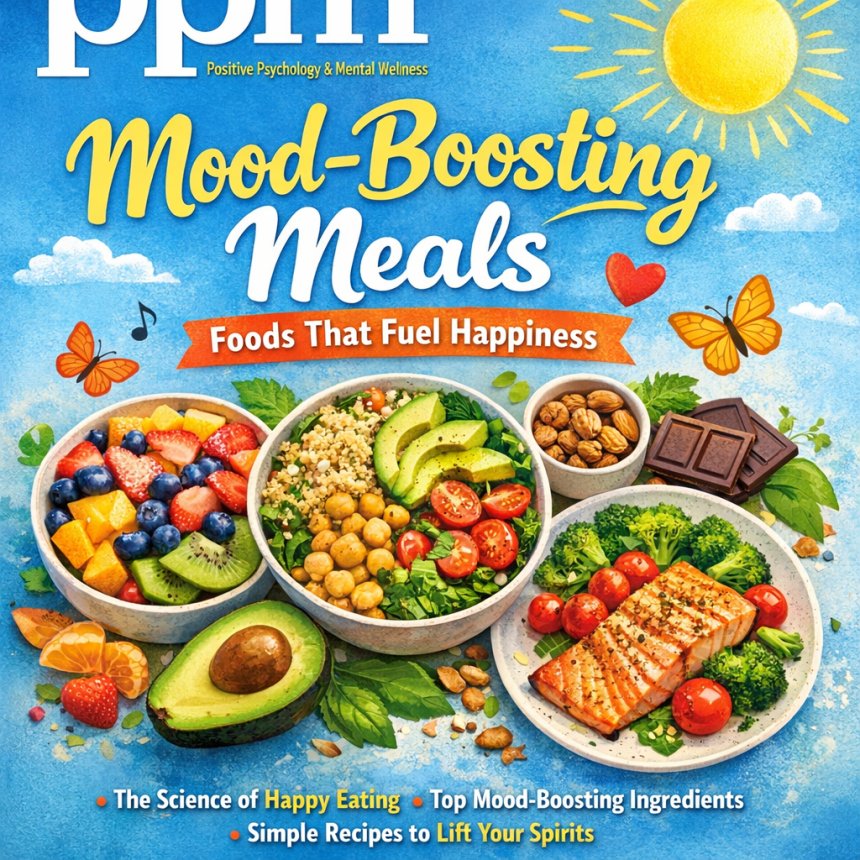

Mood-Boosting Meals: Foods That Fuel Happiness
By Maya Brooks — Lifestyle & Wellness Writer, and Eliana Ross — Writer
Category: Health & Wellness / Nutrition
Food can do more than satisfy hunger. The meals you choose each day can influence your energy, focus, digestion, and even how emotionally steady you feel. While no single ingredient can “fix” a bad mood, a balanced eating pattern can help support the systems in your body that contribute to mental well-being.
The connection between food and mood is not about perfection. It is about consistency, nourishment, and learning which foods help you feel calm, clear, and energized.
How food and mood are connected
Your brain needs a steady supply of fuel to function well. When you eat balanced meals, your blood sugar tends to stay more stable, which can help reduce those common spikes and crashes that leave you feeling irritable, tired, or foggy.
Food also affects the gut, and the gut and brain communicate constantly through what is often called the gut-brain axis. A healthy digestive system, supported by fiber, hydration, and a varied diet, may contribute to better overall well-being.
That does not mean food is a cure for stress, anxiety, or depression. But the way you eat can either support your body’s resilience or make it harder for you to feel steady.
Nutrients that support mood and mental clarity
Certain nutrients are especially important for brain health and emotional balance.
Protein
Protein provides amino acids, which are used to make brain chemicals that help regulate mood and alertness. It also helps keep blood sugar more stable, which can reduce energy crashes.
Good sources include:
- eggs
- Greek yogurt
- chicken
- fish
- tofu
- tempeh
- lentils
- beans
- nuts and seeds
Complex carbohydrates
Carbs are not the enemy. Whole-food carbohydrates give the brain a reliable energy source and are often easier on blood sugar than refined carbs.
Good choices include:
- oats
- brown rice
- quinoa
- sweet potatoes
- whole grain bread
- fruit
- vegetables
Healthy fats
Healthy fats support brain structure and function. They also help meals feel more satisfying.
Good sources include:
- avocado
- olive oil
- almonds
- walnuts
- chia seeds
- flaxseeds
- salmon
Omega-3 fatty acids
Omega-3s are particularly important for brain health. Research suggests they may play a role in mood regulation, though they are not a standalone treatment for emotional health concerns.
Sources include:
- salmon
- sardines
- trout
- walnuts
- flaxseed
- chia seeds
- algae-based supplements for vegetarians
B vitamins, iron, magnesium, and zinc
These nutrients help the body produce energy and support nervous system function. Low levels can sometimes be linked with fatigue, poor concentration, or low mood.
Vegetarian-friendly sources include:
- beans and lentils
- leafy greens
- nuts and seeds
- fortified cereals
- dairy or fortified plant milks
- tofu
- whole grains
Foods that may help you feel better
1. Oats
Oats are comforting, filling, and rich in fiber. They help support stable energy and can be a great breakfast base.
Try them with:
- berries
- nut butter
- chia seeds
- yogurt
2. Leafy greens
Spinach, kale, and other greens provide folate, magnesium, and fiber. They are a simple way to add nutrients without much effort.
3. Berries
Berries provide antioxidants and fiber. They are an easy snack or topping for yogurt, oatmeal, or smoothies.
4. Nuts and seeds
A small handful of nuts or seeds can offer healthy fats, protein, and minerals. They are especially helpful when you need a satisfying snack.
5. Yogurt and kefir
For those who eat dairy, fermented foods like yogurt and kefir may support gut health. Unsweetened versions are generally the best choice.
6. Beans and lentils
These are especially valuable because they combine protein, fiber, iron, and complex carbs in one affordable ingredient.
7. Fatty fish
Salmon and sardines are strong sources of omega-3s and protein.
8. Dark chocolate
In moderation, dark chocolate can be a satisfying treat. It may also offer a small boost in mood for some people, especially when paired with a balanced meal rather than eaten alone on an empty stomach.
Mood-boosting meals for vegetarians
If you eat vegetarian, you can still build meals that support mood, focus, and steady energy. In fact, a well-planned vegetarian diet can be very rich in the nutrients that matter most.
The key is to make sure you are getting enough:
- protein
- iron
- vitamin B12
- omega-3s
- zinc
- fiber
Vegetarian meal ideas
Breakfast
- Oatmeal with chia seeds, walnuts, banana, and almond butter
- Greek yogurt or soy yogurt with berries, granola, and flaxseed
- Tofu scramble with spinach and whole grain toast
Lunch
- Quinoa bowl with chickpeas, cucumber, tomatoes, avocado, and tahini
- Lentil soup with whole grain bread and a side salad
- Brown rice bowl with edamame, roasted vegetables, and sesame dressing
Dinner
- Chickpea curry with spinach and brown rice
- Black bean tacos with cabbage, salsa, and avocado
- Vegetable stir-fry with tofu, noodles, and sesame oil
Snacks
- Apple slices with peanut butter
- Hummus with carrots and whole grain crackers
- Trail mix with nuts, seeds, and a few pieces of dark chocolate
Eat for clarity: sharpen focus naturally
If your goal is to think more clearly during the day, the best strategy is usually to keep energy steady.
For better focus, try to:
- eat breakfast or your first meal within a few hours of waking if that works for your body
- include protein at every meal
- avoid relying on sugar alone for energy
- drink water consistently throughout the day
- limit large, heavy meals when you need sustained concentration
- pair caffeine with food if coffee tends to make you jittery
Focus-friendly meal formula
A simple way to build a meal is:
Protein + fiber-rich carbohydrate + healthy fat
Examples:
- eggs, whole grain toast, and avocado
- lentils, brown rice, and roasted vegetables
- tofu, quinoa, and olive oil roasted broccoli
- yogurt, oats, berries, and seeds
This combination helps prevent the quick rise-and-fall feeling that can happen with highly processed or sugary meals.
Beyond the diet: build a better relationship with food
Mood-boosting meals are not just about nutrients. They are also about how you relate to food.
A stressful, restrictive, or guilt-based approach to eating can make food feel like a source of pressure instead of support. A healthier relationship with food usually includes:
- eating enough
- allowing flexibility
- avoiding all-or-nothing thinking
- noticing how foods make you feel without judging yourself
- choosing nourishment over punishment
If you label foods as “good” or “bad,” eating can become emotionally loaded. A more helpful question is: What kind of meal will help me feel satisfied, steady, and well today?
A simple daily guide for mood-friendly eating
Here are a few practical habits that can help.
1. Start with breakfast
If breakfast helps your energy, make it protein-forward. Even something simple works.
Examples:
- eggs and toast
- yogurt and berries
- oatmeal with nut butter and seeds
- tofu scramble
2. Keep meals balanced
Try to include at least two of the following at each meal:
- protein
- fiber
- healthy fat
- complex carbs
3. Don’t wait too long to eat
Long gaps between meals can leave some people feeling irritable, shaky, or overly hungry.
4. Stay hydrated
Dehydration can sometimes feel like fatigue, fogginess, or a low mood.
5. Watch your caffeine and alcohol
Too much caffeine can increase anxiety or disrupt sleep. Alcohol may affect mood, sleep quality, and energy the next day.
6. Notice patterns
Pay attention to how you feel after meals. You may notice that certain foods help you feel calm and focused, while others leave you sluggish.
The bottom line
Mood-boosting meals are not about a miracle food or a perfect diet. They are about giving your body the steady fuel it needs to function well. Balanced meals, enough water, fiber, healthy fats, and a variety of whole foods can all support better energy, clearer thinking, and more stable moods over time.
For vegetarians and non-vegetarians alike, the goal is the same: eat in a way that helps you feel nourished, focused, and satisfied.
Quick tip
If you want one easy upgrade today, build your next meal with:
1 protein source + 1 fiber-rich carb + 1 healthy fat
That one habit can make a bigger difference than you might expect.
PPM Disclaimer
This article is for general informational and educational purposes only and is not intended to replace medical, nutritional, or mental health advice. Food and mood can be influenced by many individual factors, and results may vary from person to person. If you have ongoing digestive concerns, nutritional deficiencies, or persistent changes in mood, focus, or appetite, please consult a qualified healthcare professional or registered dietitian.
Share
What's Your Reaction?
 Like
0
Like
0
 Dislike
0
Dislike
0
 Love
0
Love
0
 Funny
0
Funny
0
 Angry
0
Angry
0
 Sad
0
Sad
0
 Wow
0
Wow
0