
Gut Feelings Explained: How Food Choices Affect Your Mood


Category: Health & Wellness | Nutrition
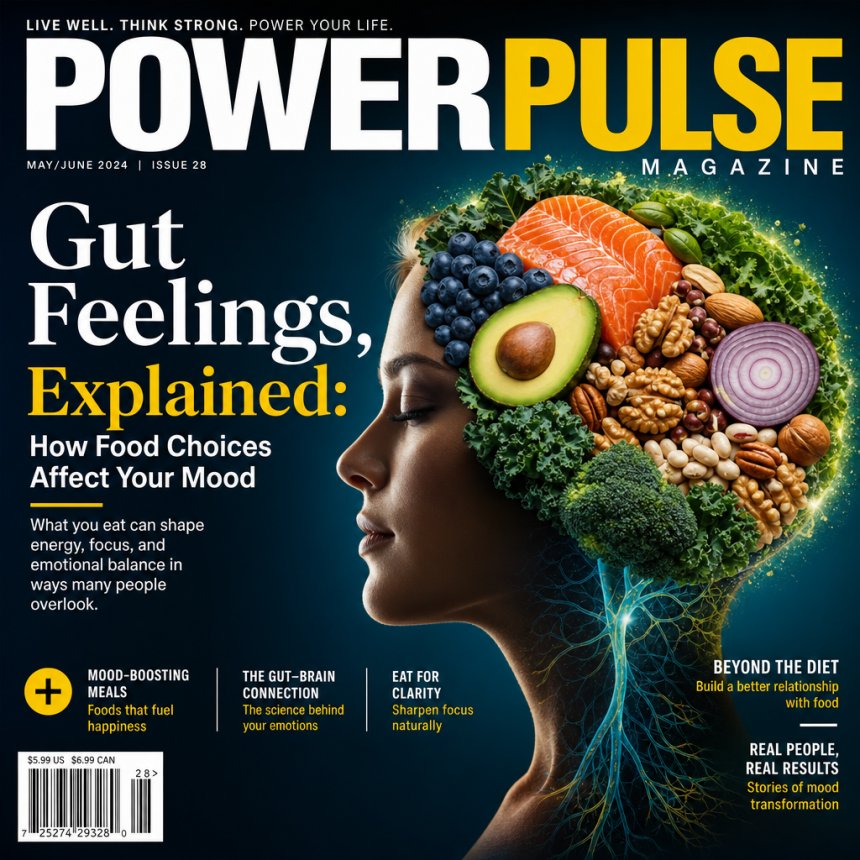
Gut Feelings, Explained: How Food Choices Affect Your Mood
What you eat can shape energy, focus, and emotional balance in ways many people overlook
By: Maya Brooks • Edited by: Todd Deck | PPM Staff
If you have ever felt irritable after skipping a meal, sluggish after a heavy lunch, or strangely foggy after too much sugar, you have already experienced the connection between food and mood. The relationship between what you eat and how you feel is not just in your head — it is part of a larger link between your digestive system, blood sugar, brain chemistry, and overall health.
That does not mean one food will instantly make you happy or one meal will ruin your day. But your everyday food choices can influence how steady, energized, and emotionally balanced you feel.
The gut-brain connection
Your gut and brain are in constant communication. This is often called the gut-brain axis. It is one reason digestion, stress, and mood often overlap.
When eating patterns are inconsistent, nutrition is poor, or digestion is irritated, you may notice effects such as:
- low energy
- irritability
- trouble focusing
- brain fog
- changes in appetite
- feeling “off” emotionally
Food is not the only factor that affects mood, but it is an important one.
Blood sugar and mood swings
One of the simplest ways food affects mood is through blood sugar. When you eat mostly refined carbs or sugary snacks without enough protein, fiber, or healthy fat, your blood sugar may rise quickly and then drop just as fast.
That can leave you feeling:
- tired
- shaky
- moody
- distracted
- hungry again soon after eating
On the other hand, balanced meals can help keep energy more stable. A mix of:
- protein
- complex carbs
- healthy fats
- fiber
can support steadier energy and fewer mood dips.
What foods may support a better mood?
No food is a cure for stress or anxiety, but some foods can support the systems that help you feel your best.
1. Protein-rich foods
Protein helps build and repair tissues, and it also provides amino acids used in the production of brain chemicals.
Examples:
- eggs
- Greek yogurt
- chicken
- turkey
- fish
- tofu
- beans and lentils
2. Complex carbohydrates
Carbs are not the enemy. In fact, the brain uses glucose as a key fuel source. The best choices are usually the ones that digest more slowly and provide fiber.
Examples:
- oats
- brown rice
- quinoa
- sweet potatoes
- whole grain bread
- fruit
- vegetables
3. Healthy fats
Fats help with brain function and can make meals more satisfying.
Examples:
- avocado
- olive oil
- nuts
- seeds
- salmon
- walnuts
4. Fiber-rich foods
Fiber supports digestion and helps feed beneficial gut bacteria.
Examples:
- berries
- beans
- lentils
- leafy greens
- whole grains
- apples
- chia seeds
5. Fermented foods
Some fermented foods contain live cultures that may support gut health.
Examples:
- yogurt
- kefir
- sauerkraut
- kimchi
- miso
Not everyone tolerates fermented foods the same way, so it is best to pay attention to how your body responds.
Foods that may work against your mood
Certain foods are not “bad,” but they may make mood and energy less stable when eaten in excess or too often.
These can include:
- sugary drinks
- highly processed snacks
- large amounts of alcohol
- meals low in protein or fiber
- heavily refined carbs eaten alone
For many people, the problem is not one specific food. It is the pattern of eating that leaves the body under-fueled, over-caffeinated, or on an energy roller coaster.
Hydration matters too
Sometimes low energy and irritability are made worse by simple dehydration. Even mild dehydration can affect concentration and physical comfort.
A good habit:
- drink water regularly throughout the day
- increase intake when exercising, sweating, or in hot weather
- notice whether headaches, fatigue, or fogginess improve with hydration
The role of stress and digestion
Stress can affect appetite, digestion, and food choices. When you are overwhelmed, you may skip meals, eat too fast, crave quick-energy foods, or have digestive discomfort.
That is why mood and food often create a cycle:
- stress affects eating
- eating affects energy and digestion
- energy and digestion affect mood
Breaking that cycle does not require a perfect diet. It starts with regular meals, enough fluids, and food that helps you feel steady.
Easy ways to support both gut and mood
You do not need a complicated meal plan to make progress. Try these simple habits:
- eat meals at roughly consistent times
- include protein in breakfast
- add fruits or vegetables to at least one meal
- pair carbs with protein or fat
- limit long stretches without eating if they leave you cranky or drained
- notice which foods make you feel energized versus sluggish
A useful question is not “Is this food healthy?” but “How do I feel after eating this most of the time?”
The bottom line
Food does not control your mood completely, but it can influence how stable, focused, and energized you feel. Balanced meals, hydration, and fiber-rich foods can help support both gut health and mental well-being over time.
The goal is not perfection. It is paying attention to patterns and making choices that help your body and mind work together.
Try this today: Build your next meal with one protein source, one fiber-rich carb, and one healthy fat. Then notice how you feel an hour later.
PPM Disclaimer
The information in this article is provided for general educational and informational purposes only and is not intended to replace medical, nutritional, or mental health advice. Food and mood can be influenced by many factors, and individual responses may vary. If you have ongoing digestive concerns, mood changes, food sensitivities, or health questions, please consult a qualified healthcare professional or registered dietitian.
Share
What's Your Reaction?
 Like
1
Like
1
 Dislike
0
Dislike
0
 Love
0
Love
0
 Funny
0
Funny
0
 Angry
0
Angry
0
 Sad
0
Sad
0
 Wow
0
Wow
0