How Colorado Police Captured The Smartest Killer!
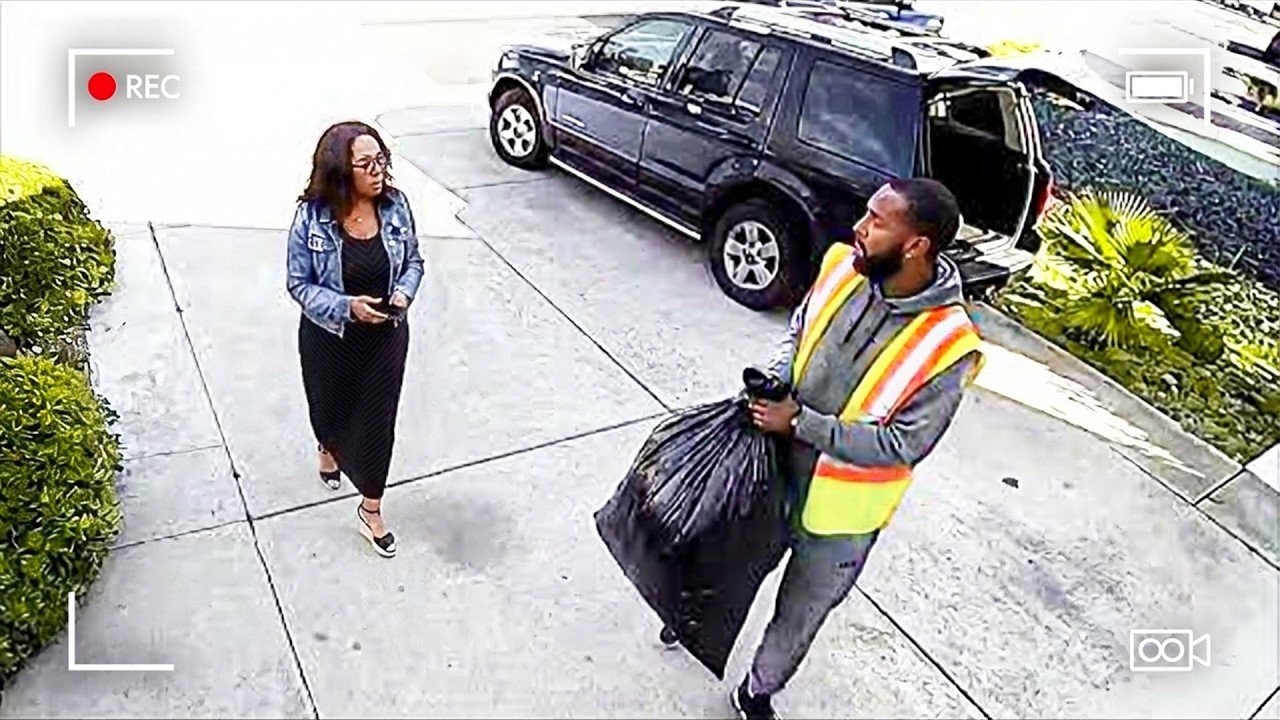
This is the mother of 43-year-old Kristil Krug. In a few seconds… She's going to find Kristil's lifeless body… inside this very garage. And this… is Daniel Krug. The man who killed her. He's heading in for another normal workday — just minutes after leaving his wife's body hidden in the garage of their own home. He believes his plan is bulletproof… that police will spend weeks chasing a ghost… and eventually arrest someone else for the m*rder he committed.


The Dark Side of the Web: Unraveling the Scariest Stories Online
In an age where information is just a click away, the internet offers a treasure trove of stories that can chill even the most hardened individuals. Among the myriad of content available, true crime tales stand out as some of the most haunting. These narratives, often based on real-life incidents, not only captivate our attention but also serve as a stark reminder of the darker aspects of human nature.
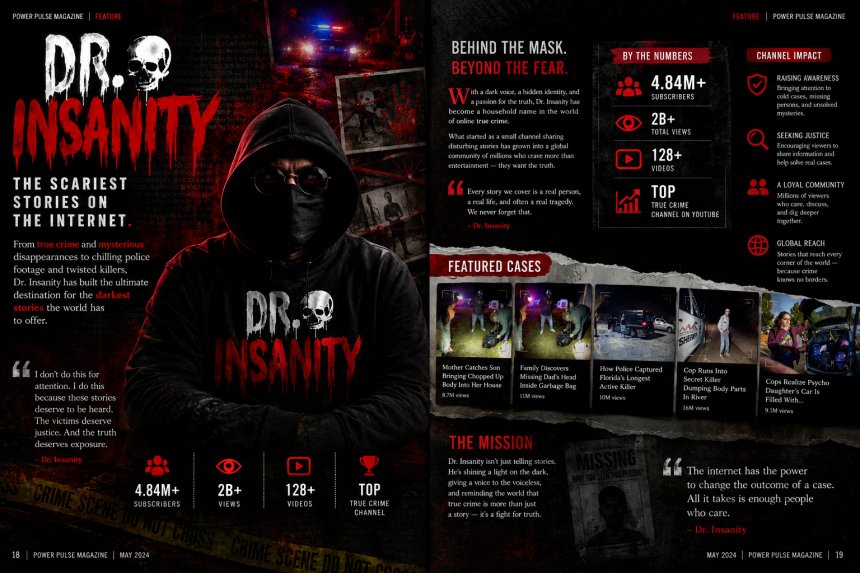
Dr. Insanity, a prominent figure in the realm of true crime documentaries, has taken a meticulous approach to uncovering these chilling stories. With a commitment to transparency and public safety, Dr. Insanity delivers fact-checked accounts of real police incidents that highlight the complexities of crime and its far-reaching consequences. While his work is educational and newsworthy, it also raises critical questions about the ethics of consuming and sharing sensationalized content.
The allure of true crime can be attributed to its raw authenticity. Viewers are not merely spectators; they are drawn into the psychological labyrinth of the perpetrators and the lives of the victims. However, this fascination can quickly morph into a morbid obsession, as the line between entertainment and exploitation blurs. The internet is rife with platforms that cater to this thirst for darkness, often prioritizing sensationalism over sensitivity. This trend poses ethical dilemmas: Can we consume these stories responsibly, or do we risk desensitizing ourselves to real suffering?
Moreover, the proliferation of true crime content can inadvertently glorify the very criminals we seek to understand. With countless podcasts, documentaries, and social media accounts dedicated to infamous figures, the potential for romanticizing their actions grows. This phenomenon raises concerns about the societal implications of such narratives—do we inadvertently inspire copycat behavior or trivialize the trauma experienced by victims and their families?
While true crime stories can promote awareness and foster conversations about public safety, they must be approached with a critical lens. Dr. Insanity's dedication to presenting fact-based accounts is a step in the right direction, but it is essential for consumers to engage with this content thoughtfully. As we explore the scariest stories on the internet, we must remain cognizant of the real lives behind the headlines and the responsibility that comes with sharing their tales.
In conclusion, the internet's repository of terrifying stories offers both intrigue and cautionary lessons. As we navigate this digital landscape, let us strive to balance our curiosity with empathy, ensuring that our engagement with true crime remains a tool for education rather than a vehicle for sensationalism. Only then can we truly honor the complexities of the human experience, both light and dark.
Share
What's Your Reaction?
 Like
1
Like
1
 Dislike
0
Dislike
0
 Love
1
Love
1
 Funny
0
Funny
0
 Angry
0
Angry
0
 Sad
0
Sad
0
 Wow
1
Wow
1