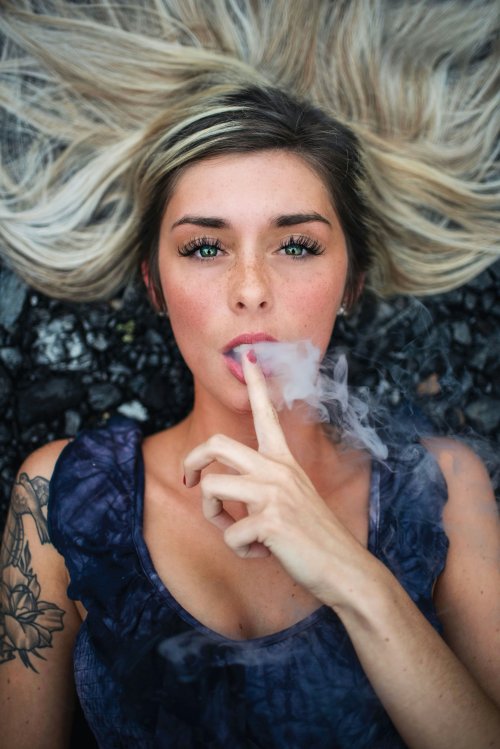
Women, THC, and Wellness: Finding the Right Cannabis Fit


By: Maya Brooks - PPM Staff
A Woman’s Guide to Cannabis for Pain, Anxiety, and Sleep
Read and explore with PPM Wellness insights and tips on Cannabis for Her: How Women Use THC and CBD for Relief
Women are increasingly exploring cannabis as a complementary option for wellness—especially for symptom management related to stress, sleep, chronic discomfort, and mood. Some people report that lower doses affect them more strongly, but individual responses vary widely based on biology, product type (THC vs. CBD), dose, and how it’s taken. Below is a clearer, more evidence-informed breakdown of common reasons women use cannabis and how to approach it safely.
Key Health & Wellness Goals
Stress, Anxiety, and Racing Thoughts
Many women use CBD-dominant products or low-THC options to help take the edge off—particularly for social anxiety, general stress, or “can’t-turn-off-my-brain” feelings.
- What’s typical: People often look for calming effects without heavy impairment.
- Important note: Anxiety can worsen for some users with higher-THC products, especially if the dose is too strong or they are inexperienced.
Sleep Struggles
Cannabis is commonly used for trouble falling asleep, staying asleep, or settling an overactive mind at night.
- Common approach: Edibles/tinctures may last longer, while inhaled products tend to act faster.
- Caution: Regular use can affect sleep architecture for some people, and tolerance may develop.
Hormone-Related Symptoms (Perimenopause & Menopause)
Some midlife women report that cannabis helps them cope with symptoms such as sleep disruption, irritability/mood changes, and hot flashes. The relationship between cannabis and hormone-related symptoms is still being researched, so results are not guaranteed.
- What many people aim for: Better sleep, reduced stress reactivity, and improved comfort.
- Recommendation: Start low and track symptoms in a journal to see whether it truly helps you.
Menstrual Cramps, Endometriosis-Related Pain, and Inflammation
Cannabis is frequently chosen as an alternative to (or complement for) OTC pain relievers for menstrual cramps and endometriosis-associated discomfort. Some users find that cannabinoids help with pain perception and inflammation-related symptoms.
- Practical use case: Many prefer longer-lasting options (like tinctures/edibles) during the heaviest symptom days.
- Caution: If pain is severe, worsening, or disruptive to daily life, it’s important to discuss it with a healthcare professional.
Sexual Wellness (Arousal, Sensitivity, and Performance Anxiety)
Cannabis may reduce performance anxiety and help some people feel more relaxed or in tune with their body. Some also report changes in sensation or arousal—though outcomes vary and aren’t universal.
- Safer framing: “May help some users feel more comfortable and less anxious,” rather than guaranteeing improved orgasms or performance.
Chronic Pain (Musculoskeletal, Neuropathic, and Other Discomfort)
Women often turn to cannabis for chronic pain management, seeking relief that may be “steadier” or less harsh than some pharmaceutical options. Evidence exists for cannabinoids in certain pain conditions, but benefits depend on the person and dosing.
- Key point: The most effective product and dose are highly individualized.
Common Product Types (and Why People Choose Them)
- Tinctures & Edibles: Often preferred for longer-lasting, whole-body symptom support (e.g., cramps, sleep, mood). Edibles typically take longer to kick in.
- Topicals (lotions, balms, oils): Used for localized discomfort without much (or any) psychoactive effect, depending on the formulation.
- Vaporizers & Flower (inhaled): Often chosen for faster onset—commonly for anxiety “in the moment,” sleep onset, or quick relief.
Important Considerations (Read This First)
Pregnancy & Breastfeeding
Major health authorities advise against cannabis use during pregnancy and breastfeeding, due to potential risks to fetal and infant development.
Start Low, Go Slow (Especially for THC)
If you’re new to THC, a conservative approach is essential. Many people begin with very small amounts (often in the 2.5–5 mg THC range) and increase gradually only if needed.
- Edibles caution: Wait long enough to feel the full effect—often at least 2–3 hours—before taking more.
- Tolerance: Some users build tolerance faster than others, and higher doses can increase side effects.
Individual Variation Matters
Responses differ because endocannabinoid systems and sensitivity vary person to person—no single dose works for everyone.
Medication Interactions & Medical Conditions
Talk to a clinician or pharmacist if you take other medications or have conditions such as anxiety disorders, bipolar disorder, psychosis risk, seizure disorders, heart rhythm issues, or are on blood thinners. Cannabinoids can interact with certain drugs.
Side Effects to Watch For
Depending on dose and product, possible effects include dizziness, impaired coordination, dry mouth, nausea, increased anxiety, or headaches. Avoid driving or operating machinery after use.
How to Find the Right Option
If you’re shopping at a dispensary, consider asking:
- What’s the THC:CBD ratio?
- Is the product designed for sleep, pain, calming, or daytime use?
- What is the recommended starting dose for someone new?
Keeping a simple tracking log (symptom + product + dose + timing + effect) can help you identify what truly works for you.
About Your Resource / Next Steps
To learn more about navigating dispensaries and dialing in dosing with confidence, consider resources like A Woman’s Guide to Cannabis. Or stay tuned for more wellness tips from Power Pulse Magazine.
Image Credit: RDNE Stock Project
Medical note: This article is for general educational purposes and is not medical advice. For personalized guidance—especially if you’re pregnant, breastfeeding, taking medications, or managing significant health conditions—consult a qualified healthcare professional.
Share
What's Your Reaction?
 Like
1
Like
1
 Dislike
0
Dislike
0
 Love
1
Love
1
 Funny
0
Funny
0
 Angry
0
Angry
0
 Sad
0
Sad
0
 Wow
1
Wow
1