Protein on Busy Days: Simple Meal Templates and “Protein-First” Strategies

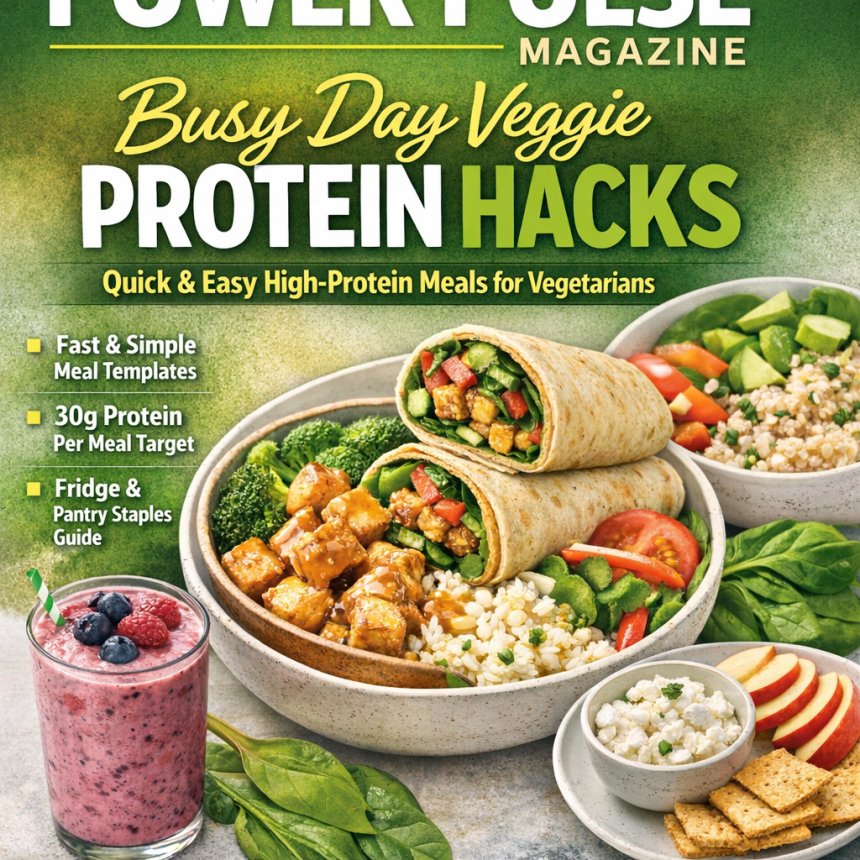

Protein on Busy Days: Simple Meal Templates and “Protein-First” Strategies
Category: Nutrition / Vegetarian Nutrition
When life gets busy, protein is often the first thing people accidentally miss. Meals become rushed, snacks replace lunch, and dinner turns into whatever is fastest. For vegetarians, this can be even trickier because many convenient foods are filling but not especially high in protein.
The good news: meeting your protein needs does not require a perfect meal plan or hours in the kitchen. It just requires a few repeatable templates and a “protein-first” approach.
That means building meals around the protein source first, then filling in the rest with carbs, vegetables, fats, and flavor.
Why protein matters, especially on busy days
Protein supports:
- muscle repair and maintenance
- fullness and appetite control
- immune function
- enzyme and hormone production
- recovery after exercise
For most adults, the basic protein recommendation is about 0.8 grams per kilogram of body weight per day. Many active people, older adults, or those trying to preserve muscle may benefit from a higher intake, often around 1.0 to 1.6 grams per kilogram, depending on goals and activity level.
Important note: If you follow a vegetarian diet, you can absolutely meet protein needs. The key is choosing protein-rich foods consistently and not relying only on grains, fruit, or vegetables for meals.
What “protein-first” means
A protein-first strategy means you decide the protein source before you build the meal.
Instead of:
- “What do I have to eat?”
You ask:
- “What protein can anchor this meal?”
This helps prevent meals that are mostly carbs with only a small amount of protein.
Examples of protein-first anchors for vegetarians
- Greek yogurt
- cottage cheese
- eggs
- tofu
- tempeh
- edamame
- lentils
- chickpeas
- black beans
- seitan
- soy milk
- protein pasta
- TVP (textured vegetable protein)
- paneer
- skyr
- soy-based protein products
Simple meal templates you can use anytime
These templates work well on busy days because they are flexible, fast, and easy to repeat.
1. Protein bowl template
Formula: protein + grain/starch + vegetables + sauce
Examples:
- tofu + rice + broccoli + peanut sauce
- chickpeas + quinoa + cucumber/tomato + tahini dressing
- tempeh + noodles + stir-fry vegetables + soy-ginger sauce
- lentils + roasted potatoes + greens + yogurt dressing
Tip:
If you are short on time, use frozen vegetables and microwave grains.
2. High-protein breakfast template
Breakfast is one of the easiest meals to under-protein.
Formula: protein base + fruit or grains + topping
Examples:
- Greek yogurt with fruit, oats, and seeds
- tofu scramble with toast
- cottage cheese with berries and granola
- overnight oats made with soy milk and added chia or protein powder
- eggs with whole grain toast and fruit
Helpful tip:
Starting the day with protein often makes it easier to hit your intake later.
3. Wrap or sandwich template
This is one of the fastest workday options.
Formula: protein filling + fiber-rich wrap/bread + vegetables + spread
Examples:
- egg salad wrap with spinach
- hummus plus tofu slices and roasted vegetables
- chickpea salad sandwich
- tempeh wrap with greens and avocado
- paneer and veggie wrap with yogurt sauce
Busy-day tip:
Batch-cook the protein filling ahead of time so assembly takes only a few minutes.
4. Snack plate template
Great for lunch on the go or an unstructured day.
Formula: one protein source + two supporting foods + one fruit or vegetable
Examples:
- cottage cheese + crackers + carrots + apple
- Greek yogurt + nuts + berries
- edamame + whole grain toast + cucumber slices
- boiled eggs + hummus + pita + grapes
- tofu cubes + rice cakes + bell pepper strips
People often miss this:
A snack plate can become a real meal if the protein portion is large enough.
5. Smoothie template
A smoothie can be a convenient protein meal, but only if it actually contains enough protein.
Formula: liquid + protein source + fruit + optional carb/fat add-ins
Examples:
- soy milk, banana, peanut butter, and protein powder
- Greek yogurt, berries, oats, and chia seeds
- silken tofu, cocoa, banana, and soy milk
- kefir, frozen fruit, and oats
Tip:
If a smoothie has only fruit and juice, it may not keep you full for long.
Fast vegetarian protein foods to keep on hand
These are especially useful when time is tight:
Fridge/freezer staples
- Greek yogurt or skyr
- cottage cheese
- tofu
- tempeh
- eggs
- shredded cheese
- paneer
- edamame
- cooked lentils
Pantry staples
- canned beans and lentils
- chickpeas
- peanut butter
- nuts and seeds
- protein pasta
- TVP
- soy milk
- shelf-stable tofu
- tortillas, wraps, and whole grain bread
Emergency protein add-ons
- protein powder
- roasted edamame
- jerky-style plant protein snacks
- roasted chickpeas
- milk or soy milk
- string cheese
How much protein should you aim for per meal?
A practical approach is to aim for protein at every meal and snack.
For many people:
- 20–30 grams per meal is a helpful target
- active people may benefit from more
- older adults often need slightly more protein per meal to support muscle maintenance
You do not need to hit a perfect number every time. The goal is consistency.
Examples of roughly protein-rich portions
- 1 cup Greek yogurt: often around 15–20 g
- 1 cup cottage cheese: often around 24–28 g
- 1 block firm tofu: often around 20–25 g depending on size
- 1 cup cooked lentils: about 18 g
- 1 cup edamame: about 17 g
- 2 eggs: about 12 g
- 1 cup soy milk: about 7–9 g
- 3–4 oz tempeh: often around 15–20 g
- 3 oz seitan: often very high, around 20+ g
Exact amounts vary by brand and portion size, so label-reading helps.
A few vegetarian protein facts people often don’t know
1. You do not need to combine proteins at every meal
This is a common myth. As long as you eat a variety of protein sources throughout the day, your body can use the amino acids effectively.
2. Soy is a high-quality plant protein
Soy foods like tofu, tempeh, edamame, soy milk, and soy yogurt are especially useful because they are protein-dense and convenient.
3. Legumes are great, but portions matter
Beans and lentils are excellent, but many people underestimate how much they need to actually get a meaningful protein amount.
4. Bread, pasta, and oats contribute some protein, but not enough on their own
These foods are useful, but they should not be the only protein source in a meal.
5. Protein density matters when you are busy
If you have very little time, choose foods that give you the most protein for the least effort.
Simple busy-day examples
Example 1: Quick lunch
- whole grain wrap
- hummus
- tofu or tempeh
- spinach
- sliced peppers
- fruit on the side
Example 2: Fast breakfast
- Greek yogurt
- berries
- oats
- chia seeds
- nut butter drizzle
Example 3: 10-minute dinner
- microwave rice
- pre-cooked lentils
- frozen vegetables
- tahini or curry sauce
Example 4: Grab-and-go snack meal
- cottage cheese
- apple
- whole grain crackers
- handful of nuts
Tips for making protein easier all week
1. Prep one protein source in advance
Cook a batch of tofu, lentils, tempeh, or eggs once and use it in multiple meals.
2. Keep “backup protein” visible
If protein foods are hidden in the fridge, you are less likely to use them. Put easy options where you can see them.
3. Build meals in layers
Start with the protein, then add fiber, then add carbs and fats.
4. Use convenience foods without guilt
Frozen, canned, and pre-cooked foods can absolutely support a healthy vegetarian diet.
5. Don’t let snacks replace meals too often
If you are constantly grazing, it can be harder to reach your protein target.
Common mistakes to avoid
- relying on pasta, toast, or salad alone
- forgetting protein at breakfast
- using only tiny amounts of beans or tofu
- assuming all vegetarian foods are naturally high in protein
- waiting until dinner to “make up” for the whole day
- treating protein like a supplement instead of a food priority
The bottom line
On busy days, protein does not have to be complicated. The easiest strategy is to choose the protein first, then build a simple meal around it.
For vegetarians, that means leaning on foods like tofu, tempeh, lentils, beans, Greek yogurt, cottage cheese, eggs, soy milk, seitan, and edamame. Use repeatable templates like bowls, wraps, smoothies, and snack plates so you can stay nourished even when time is short.
The goal is not perfection. The goal is making protein easy enough that you can actually do it.
PPM Takeaway
Busy-day protein success comes from planning around a protein anchor first, then adding carbs, vegetables, and healthy fats. Vegetarian protein can be simple, convenient, and effective when you use repeatable meal templates and keep high-protein staples on hand.
PPM Disclaimer:
This article is for general informational and educational purposes only and is not intended to replace personalized nutrition or medical advice. Protein needs vary by age, body size, activity level, pregnancy, health status, and goals. If you have kidney disease, a medical condition, or specific nutrition concerns, consult a registered dietitian or qualified healthcare professional.
Food Recall Disclaimer:
This article is intended for general informational purposes only. Food recalls and safety notices can change quickly, so always check official recall alerts from your local food safety authority, manufacturer, or government agency before buying, storing, or preparing food. When planning meals, inspect packaging, expiration dates, lot numbers, and storage instructions carefully, and follow any recall guidance immediately. If you have concerns about a recalled product, discard it or return it according to the official instructions.
Share
What's Your Reaction?
 Like
1
Like
1
 Dislike
0
Dislike
0
 Love
1
Love
1
 Funny
0
Funny
0
 Angry
0
Angry
0
 Sad
0
Sad
0
 Wow
0
Wow
0