PPM Deep Dive | PlayStation's Digital Future: What DRM, Digital Ownership & the End of Physical Games Mean for Players

Category : Gaming • Industry Pulse • PlayStation • Digital Gaming
Based on Sony's clarification and official announcements, here's the bigger picture.
- PPM
What is DRM?
DRM (Digital Rights Management) is software that verifies you have a valid license to play a digital game. Instead of owning the game the way you own a physical disc, you own a license to access it.
For PlayStation:
Digital game: Your license is stored on your PlayStation account and verified by Sony.
Physical disc: The disc itself acts as the license key. As long as the disc is inserted, the console recognizes that you own the game.
What is the 30-day timer?
The 30-day timer that appeared after the March 2026 firmware update caused widespread confusion.
Sony has since confirmed:
- It does not require you to reconnect every 30 days forever.
- Newly purchased digital games receive a temporary license.
- A one-time online verification is required after purchase.
Once that verification is complete, the license becomes permanent and no additional 30-day check-ins are required.
Why did Sony add it?
Sony hasn't fully explained the technical implementation, but reports from multiple gaming outlets indicate it was introduced to combat abuse involving:
- refund fraud
- modified or jailbroken consoles
- license file exploitation
- digital piracy
The goal is to verify that the purchase is legitimate before issuing a permanent license.
Why are gamers upset?
Even after Sony's clarification, many players remain unhappy because of broader concerns.
1. You don't truly "own" digital games
Many gamers argue they're paying $70 or more for a revocable license rather than permanent ownership.
2. Preservation concerns
If PlayStation Network or licensing servers eventually disappear decades from now, some worry future generations won't be able to access legally purchased digital games.
3. Internet dependence
Even though the check is only once, some players dislike needing Sony's servers at all to permanently activate something they purchased.
4. Trust
Sony didn't explain the feature when it appeared, allowing rumors of mandatory monthly check-ins to spread before the company clarified the situation.
Why is PlayStation moving to digital-only games?
Sony officially announced that starting January 2028, new PlayStation games will no longer be released on physical discs. Existing disc-based games released before then will continue to be supported.
Sony says the decision is based primarily on:
- consumer demand shifting toward digital downloads
- lower manufacturing and shipping costs
- simpler worldwide distribution
- faster game delivery through downloads
- reducing inventory and retail logistics
According to Sony, most PlayStation customers already purchase games digitally, making the move a response to changing buying habits rather than a sudden strategic shift.
Is AI the reason?
There is no evidence that artificial intelligence is the reason Sony is ending physical game discs.
AI may support parts of Sony's business—such as customer service, fraud detection, software development, localization, recommendations, or content moderation—but Sony has not cited AI as a reason for the digital-only transition.
The company's official explanation focuses on:
- changing consumer purchasing habits
- the industry's shift toward digital distribution
- streamlining operations
- investing resources in digital delivery and services rather than manufacturing discs.
What does this mean for PlayStation?
Benefits
- Instant game downloads
- No lost or damaged discs
- Faster global releases
- Lower production and distribution costs
- Greater focus on cloud features and digital services
Challenges
- No used-game market for future releases
- No lending or borrowing physical games
- Greater dependence on PlayStation Network
- Increased concerns about long-term ownership and preservation
- Less price competition because purchases will primarily be digital
What does it mean for the gaming community?
The debate goes beyond convenience—it's about ownership versus access.
Supporters argue digital distribution is the natural future because it's faster and more convenient.
Critics worry that without physical media:
- players lose the ability to resell or lend games,
- collectors lose tangible editions,
- preservation becomes more difficult,
- and consumers become increasingly dependent on platform holders to maintain access.
Those concerns have fueled petitions and significant community backlash following Sony's 2028 announcement.
PPM Deep Dive | Why PlayStation Is Going Digital: Inside Sony's Biggest Gaming Shift Yet
Sony's announcement that it will stop producing physical discs for all new PlayStation games beginning in January 2028 marks one of the biggest changes in the brand's 30-year history. According to Sony, the decision reflects changing consumer behavior, with the majority of PlayStation owners now purchasing games digitally rather than on disc. Games released before January 2028 will continue to receive physical editions, but all new titles afterward will be sold as digital downloads through the PlayStation Store or as download codes at retailers.
Why PlayStation Is Making the Switch
Sony's decision is driven primarily by business and consumer trends—not artificial intelligence.
1. Most Players Already Buy Digital
Sony says digital purchases now account for roughly 80% of full-game sales, making physical discs a shrinking portion of its business. Maintaining factories, manufacturing Blu-ray discs, printing packaging, and shipping products worldwide has become increasingly expensive compared with distributing games digitally.
2. Higher Profit Margins
Digital sales eliminate many costs associated with physical media, including:
- Disc manufacturing
- Packaging
- Shipping
- Retail distribution
- Unsold inventory
Selling directly through the PlayStation Store also allows Sony to retain a larger share of each sale. Analysts say this is one of the strongest financial motivations behind the move.
3. Faster Global Distribution
Digital releases allow Sony and publishers to:
- launch games simultaneously worldwide,
- deliver updates instantly,
- support preloads,
- and avoid supply-chain delays.
This model has become increasingly common across the gaming industry.
4. Preparing for the Future
The transition positions PlayStation for a future focused on:
- digital downloads,
- cloud-connected services,
- subscriptions,
- and a simplified software distribution model.
Sony has described the change as a response to long-term industry trends rather than a short-term initiative.
Is AI the Reason?
No.
Despite growing investment in AI across the technology industry, Sony has not said AI is a reason for ending physical game discs.
The company's public explanation centers on:
- changing consumer preferences,
- the dominance of digital purchases,
- operational efficiency,
- and lower distribution costs.
Why Many Gamers Are Upset
The announcement sparked significant backlash across gaming communities.
Loss of Ownership
Many players argue that physical games represent true ownership because they can be collected, lent, resold, or preserved. Digital purchases, by contrast, are licenses tied to an online account rather than permanent ownership.
The End of the Used-Game Market
Without new physical discs:
- retailers like GameStop lose trade-ins,
- players cannot resell games,
- borrowing from friends becomes impossible for future releases,
and collectors lose boxed editions.
These concerns have become central to the public debate.
Game Preservation
Preservation advocates worry that an all-digital future makes games more dependent on company servers and licensing systems. If storefronts or licenses change years from now, long-term access could become more complicated than with physical media.
The 2026 Community Backlash
The reaction has been swift and highly visible.
- A Change.org petition opposing the move quickly gathered well over 170,000 signatures.
- Social media platforms saw widespread criticism, with Sony's announcement generating tens of thousands of negative responses.
- Consumer advocates warned that digital-only distribution could reduce competition and limit consumer choice.
Some analysts believe Sony is unlikely to reverse course despite the criticism because the economics strongly favor digital distribution.
What It Means for the Future of Gaming
Sony's announcement signals more than the end of PlayStation discs—it reflects a broader industry shift toward digital ecosystems. While digital distribution offers convenience, faster releases, and lower costs, it also raises questions about ownership, preservation, resale rights, and consumer choice.
For PlayStation, the strategy could increase profitability and streamline operations. For many gamers, however, the transition represents the end of an era that defined console gaming for decades.
PPM Takeaway: Sony views digital distribution as the future because it aligns with current purchasing trends and improves operational efficiency. The gaming community's response shows that while digital convenience is widely accepted, many players still place significant value on physical ownership, collecting, and long-term access to the games they buy. The debate over digital licenses versus true ownership is likely to continue well beyond the January 2028 transition.
Sources
Sony Interactive Entertainment. "Physical disc production ending in January 2028 for new games releasing on PlayStation consoles." Official PlayStation Blog.
Reuters. "Sony to end physical PlayStation game disc production in 2028."
TechCrunch. "Sony to end physical PlayStation game discs in 2028."
Entertainment Weekly. "PlayStation will stop making physical game discs in 2028."
The Guardian. "PlayStation says it will stop making physical games – and that should worry us all."
Financial Times. "The death of physical games — and why it matters."
TechRadar. Coverage of community backlash and petition following Sony's announcement.
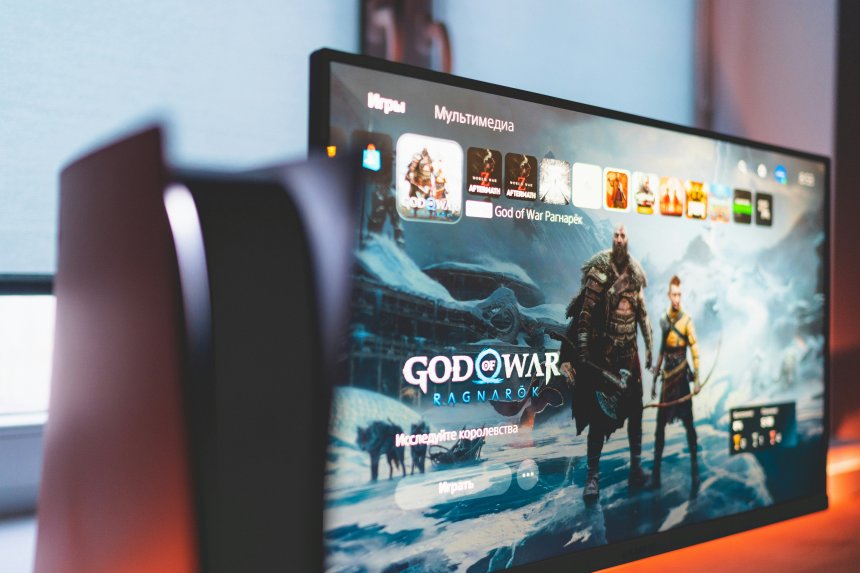
Image Credit: Evgeniy Kondratiev
PPM Editorial Disclaimer
Editorial Standards: This article was researched using publicly available information, official PlayStation announcements, and reputable news reporting. Power Pulse Magazine independently reviewed and summarized the information for editorial purposes.
Editorial Independence: This article is not sponsored by or affiliated with Sony Interactive Entertainment or PlayStation. All trademarks, logos, and brand names belong to their respective owners.
AI Transparency: AI-assisted research supported portions of the editorial process. Every article is reviewed, fact-checked, and edited by a human editor before publication.
Share
What's Your Reaction?
 Like
1
Like
1
 Dislike
0
Dislike
0
 Love
0
Love
0
 Funny
0
Funny
0
 Angry
0
Angry
0
 Sad
0
Sad
0
 Wow
0
Wow
0