When “Buy Now, Pay Later” Becomes “Pay the Bills Later”
PPM Reblog | Business & Finance Buy Now, Pay Later is moving beyond shopping and increasingly being used to help cover everyday necessities such as groceries, medical expenses, utilities, auto insurance and, through newer services, rent. Futurism’s reporting highlights how this trend reflects growing financial pressure on households, with consumers using short-term credit to bridge gaps between income and essential expenses. PPM Takeaway: When credit becomes necessary to cover the basics, it can signal a deeper affordability problem—not simply a change in how people shop. The bigger economic question is whether household incomes are keeping pace with the rising cost of everyday life.
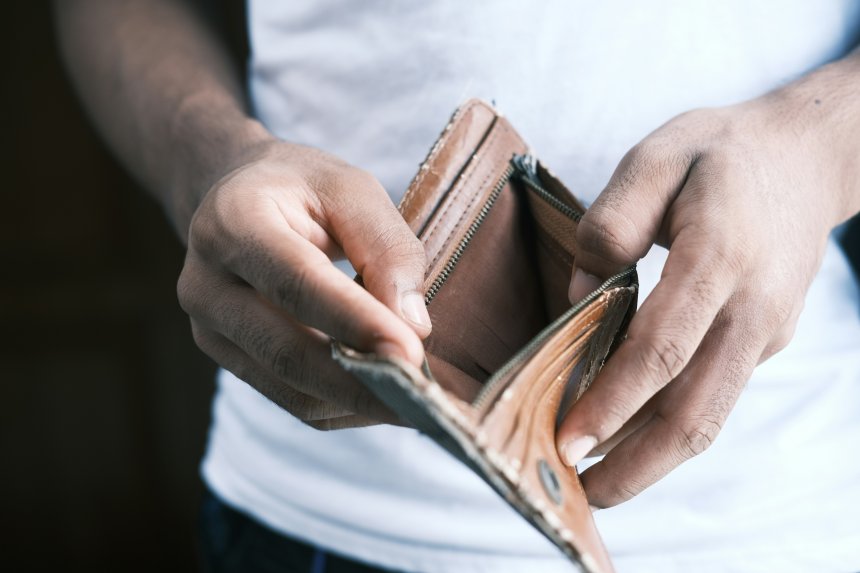
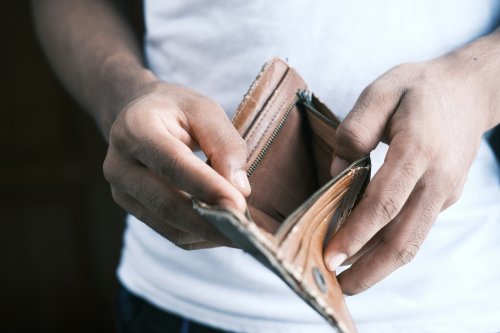
Image Credit: Towfiqu barbhuiya • Unsplash
Category: Business & Finance
Editorial feature: PPM Reblog
PPM REBLOG
When “Buy Now, Pay Later” Becomes “Pay the Bills Later”
Why This Caught Our Attention
The latest warning sign in consumer finance isn't necessarily what people are buying — it's what they're borrowing to afford.
A recent report from Futurism, written by Joe Wilkins and published August 20, 2026, examines how Buy Now, Pay Later (BNPL) services are increasingly being used for necessities rather than discretionary purchases.
That caught our attention.
BNPL was once primarily associated with purchases such as furniture, clothing, electronics and food delivery. But according to the reporting, consumers are increasingly turning to installment-style financing to manage everyday expenses, including groceries, medical and dental costs, utilities, auto insurance and, through certain newer services, rent.
That shift says something much bigger about the economy.
KEY HIGHLIGHTS
1. BNPL is moving beyond shopping.
The major change is the type of expense being financed. Consumers aren't simply using installment payments to spread out the cost of something they want. Increasingly, some are using these products because they don't have enough cash available when essential bills arrive.
2. Some consumers say they couldn't make ends meet without it.
Futurism cites a LendingTree survey reported by The New York Times in which half of BNPL users surveyed said they would have no way of making ends meet otherwise.
That's an important distinction: financing isn't necessarily being used as a convenience anymore. For some households, it has become part of their survival strategy.
3. BNPL spending has become enormous.
Futurism reports that U.S. consumers spent close to $160 billion through BNPL loans in 2025, illustrating just how significant installment-based consumer financing has become.
4. Rent and recurring bills are entering the conversation.
The story highlights newer services that allow consumers to divide rent into multiple payments, while also noting that BNPL-style financing is increasingly being used for recurring necessities such as utilities.
That is a very different financial environment from using four payments to buy a pair of shoes.
5. The debt can create another problem next month.
The fundamental concern is cash-flow displacement.
Breaking a bill into smaller payments may solve today's immediate problem, but those payments don't disappear. They become obligations competing with next week's groceries, next month's utilities or another unexpected expense.
As the National Consumer Law Center's Lauren Sanders told The New York Times, these products can address an immediate shortage of funds while potentially leaving consumers short again later.
PPM TAKEAWAY
The Problem Isn't BNPL. The Problem Is Why People Need It.
This is where the conversation needs to go deeper.
It is easy to criticize consumers for taking on debt. But if someone is using installment financing to cover electricity, groceries or rent, the bigger question is:
Why isn't their income covering the basic cost of living in the first place?
BNPL can provide short-term breathing room. But it cannot permanently solve a gap between income and essential expenses.
If every paycheck is already committed before it arrives, splitting bills into smaller pieces doesn't necessarily create affordability. It can simply move the pressure forward.
And that creates a dangerous cycle:
Income → Bills → Shortfall → BNPL → Next Payments → Less Available Income → Another Shortfall
The more frequently that cycle repeats, the harder it can become for a household to absorb an emergency.
WHAT THIS COULD MEAN FOR THE ECONOMY
1. Consumer spending may look healthier than household finances actually are.
A consumer who can still make purchases isn't necessarily financially comfortable.
If more spending is being supported by short-term borrowing, traditional spending numbers can tell only part of the story.
2. Household financial resilience becomes weaker.
A household with little cash left after bills has less protection against an unexpected car repair, medical expense, job interruption or utility increase.
That matters beyond individual families.
When millions of households have limited financial cushions, economic shocks can travel farther and faster.
3. Consumer debt becomes increasingly connected to everyday life.
There is an important psychological difference between borrowing for a major purchase and borrowing for groceries or utilities.
When debt becomes necessary to maintain ordinary household life, it stops being merely a financing tool and becomes part of the household budget.
That's a warning sign worth watching.
4. The economy may face a bigger affordability question.
The long-term issue isn't simply whether consumers have access to more credit.
It's whether wages, housing costs, healthcare, food, transportation, utilities and other essential expenses are moving together in a sustainable way.
Credit can bridge a temporary gap.
It cannot permanently close an affordability gap.
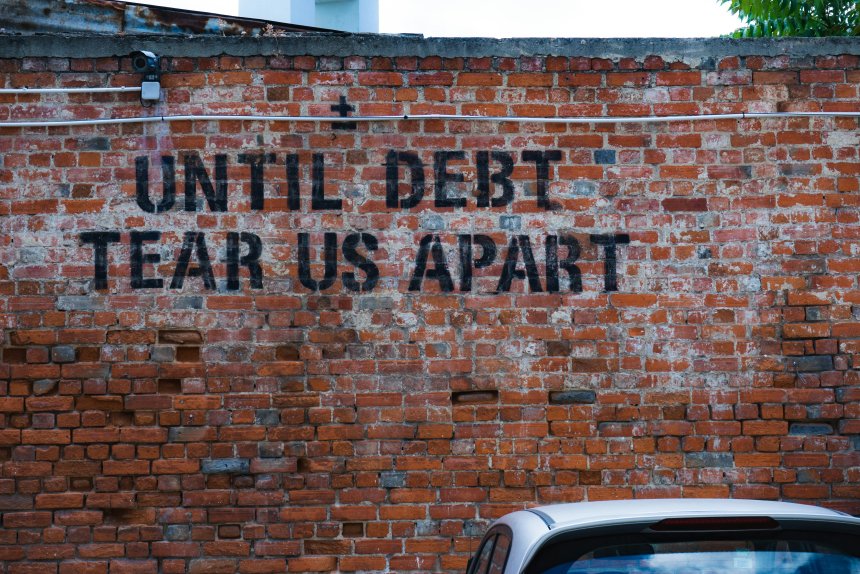
Image Credit: Ehud Neuhaus • Unsplash
PPM'S BOTTOM LINE
When people borrow to buy something they want, that's consumer financing.
When people increasingly borrow to pay for things they need, that's an economic signal.
The growing use of installment financing for essential expenses deserves attention—not because every BNPL user is financially irresponsible, but because widespread reliance on short-term credit can reveal how little room many households have left in their budgets.
The real economic question isn't:
“Why are people using BNPL?”
It's:
“Why are so many people reaching the end of the month without enough cash to cover the basics?”
That's the conversation worth having.
Related Sources & Articles
ORIGINAL REPORTING
Source: Futurism
Article: The Economy Is So Bad That People Are Using Buy-Now-Pay-Later Apps for Rent and Utilities
By: Joe Wilkins, Correspondent
Published: August 20, 2026
"Read the original reporting at Futurism"
The Economy Is So Bad That People Are Using Buy-Now-Pay-Later Apps for Rent and Utilities
https://futurism.com/future-society/economy-bnpl-rent-utilities
PPM Reblog Note: This article is an editorial commentary and summary of reporting originally published by Futurism. PPM does not claim ownership of Futurism's reporting. Original reporting and attribution remain with Futurism and its respective sources. PPM's contribution is its independent editorial analysis and economic perspective.
Share
What's Your Reaction?
 Like
1
Like
1
 Dislike
0
Dislike
0
 Love
0
Love
0
 Funny
0
Funny
0
 Angry
0
Angry
0
 Sad
0
Sad
0
 Wow
0
Wow
0