The Delivery Economy Has Two Sides: Consumers Want Convenience, But What About the Drivers
DoorDash, Uber Eats, and Instacart are reporting strong sales growth, but many drivers say they are increasingly frustrated by low or missing tips. The issue has sparked renewed attention on social media, where the “no tip, no trip” message is being shared as drivers push back against poor pay conditions.

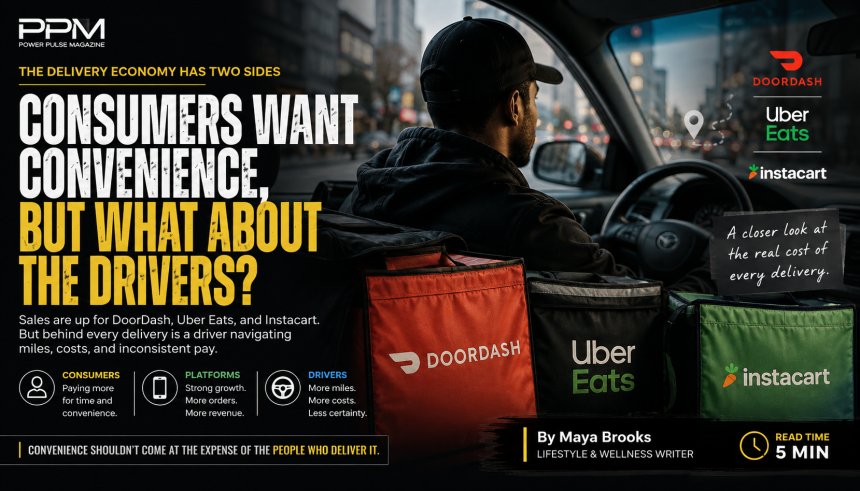


The Delivery Economy Has Two Sides: Consumers Want Convenience, But What About the Drivers?
Category: Economy / Delivery Apps / Labor Issues
Subcategory: Food Delivery / Worker Frustration / Consumer Trends
By: Maya Brooks | Power Pulse Magazine
Read Time: 5 min
Consumers are trying to save money—but apparently, convenience still has a price.
Recent quarterly results from major delivery platforms including DoorDash, Uber Eats and Instacart have shown continued demand for restaurant meals and groceries delivered directly to consumers' homes. Even as households remain conscious of their spending, many people are still willing to pay additional fees for the convenience of skipping the trip to the store or picking up dinner themselves.
A $30 delivery burrito might sound excessive.
But for some consumers, the time saved is worth it.
There is, however, another side of the delivery economy that deserves just as much attention:
The driver.
Strong Sales Don't Automatically Mean Better Driver Economics
From the consumer perspective, delivery can look like a simple transaction:
Order food.
Pay the fees.
Receive the food.
Behind that order is another equation.
A driver has to accept the order, travel to the restaurant, wait if necessary, pick up the food, navigate traffic, deliver it and absorb the costs associated with operating a vehicle.
That means the amount a customer pays for delivery isn't necessarily an indication of what the person completing the delivery earns.
And one of the biggest variables is the tip.
The Tipping Question
Drivers have increasingly taken to social media to talk about low- or no-tip orders, long-distance deliveries and the frustration of spending significant time and fuel on an order that ultimately produces very little compensation.
Some drivers have even described situations where food sits in a vehicle because an order isn't financially attractive enough to justify the trip.
Others have posted about returning food or allowing orders to become delayed.
Those reactions may be controversial—and customers certainly shouldn't have to worry about whether their food will arrive safely and promptly—but they point toward a larger issue:
What happens when the economics of an order stop making sense for the person delivering it?
This isn't about blaming the customer.
It isn't about blaming DoorDash or Uber Eats.
It's about recognizing that delivery platforms operate a three-way marketplace involving the customer, the platform and the driver.
All three sides matter.
A Driver's Perspective
I personally have been dashing for four years, and there is a noticeable difference in the experience of working these platforms compared with when I first started.
The delivery business has changed.
Customer expectations have changed.
Gas prices have changed.
Operating costs have changed.
The number of drivers has changed.
And the way drivers evaluate orders has changed.
I recently started driving with Uber Eats as well, and from my experience, Uber Eats has been more consistent with calls and tips.
That doesn't mean every driver will have the same experience. Markets can vary dramatically by city, neighborhood, time of day and even day of the week.
But consistency matters when driving is your income.
A driver can have a great hour followed by an hour where the offers simply don't make financial sense.
And then there are the miles.
The $4 Order That Isn't Really $4
Imagine receiving an offer for roughly $4 that requires driving several miles.
At first glance, $4 is $4.
But drivers don't experience the transaction that way.
The vehicle is using gasoline.
The driver is putting miles on the car.
There is maintenance.
There are tires, oil changes, brakes, insurance and depreciation.
And there is something consumers don't always see:
- deadhead miles.
A driver may travel several miles to complete an order and then have to drive additional miles before receiving another worthwhile delivery.
That $4 can disappear quickly once the cost of operating the vehicle is considered.
And when the driver has to stop for gas again?
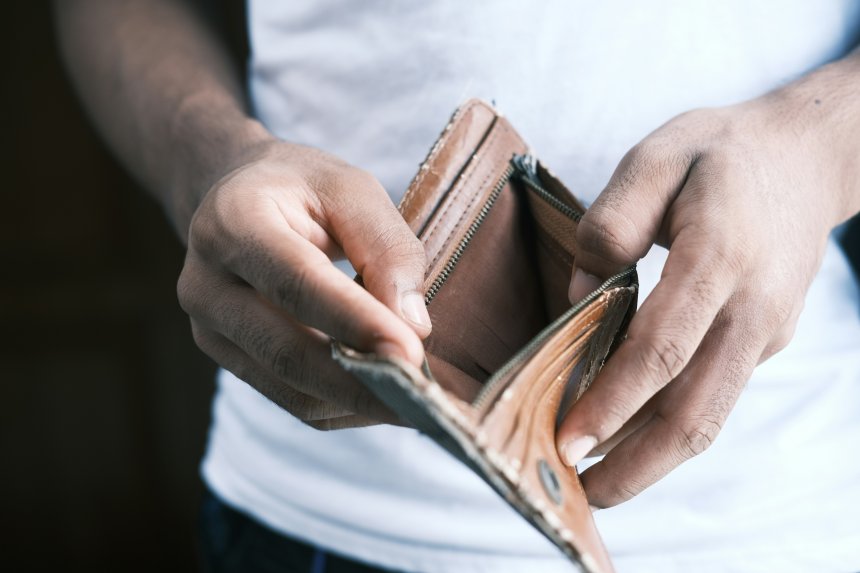
That small payout can feel even smaller.
The Convenience Economy Has a Hidden Workforce
This is the part of the delivery economy worth paying attention to.
1. Consumers see convenience.
2. Platforms see transactions.
3. Drivers see miles.
All three perspectives can be true at the same time.
DoorDash and Uber Eats can experience strong demand while individual drivers still feel pressure from operating costs and inconsistent order economics.
That's not necessarily a contradiction.
A platform's revenue growth measures activity across a massive marketplace. A driver's financial experience is determined by the individual orders available to them and the costs required to complete those orders.
Macro-level growth doesn't guarantee micro-level profitability.
So What Should Consumers Do?
Customers shouldn't feel guilty for ordering delivery.
Convenience is a legitimate service, and people order delivery for countless reasons: long workdays, family responsibilities, bad weather, mobility limitations, exhaustion or simply wanting dinner brought home.
But understanding the driver's side can make the experience more transparent.
If you're ordering delivery, consider the distance involved and the work required to complete the trip.
And if you're able to tip, remember that the person delivering your food is often absorbing significant vehicle expenses to get it to your door.
At the same time, drivers deserve to make informed decisions about which orders work for them financially.
That balance is important.
PPM Takeaway: The Delivery Boom Needs to Include the Driver
The popularity of delivery isn't disappearing.
If anything, consumers have become accustomed to the convenience.
But as companies continue growing their delivery businesses, the conversation shouldn't stop at how much consumers are spending.
We should also ask how sustainable the work is for the people making those deliveries possible.
The future of delivery isn't simply about getting food from a restaurant to a customer's front door faster.
It's about building an ecosystem where consumers receive reliable service, platforms can grow sustainably and drivers can complete deliveries without feeling like they're losing money every time they start the car.
Because behind every delivery notification is a person.
And sometimes, that person has to buy the gas.
PPM Editor's Note
At Power Pulse Magazine, we believe economic conversations should include the people behind the numbers. Delivery platforms are an important part of today's convenience economy, and this article is not intended to disparage DoorDash, Uber Eats or Instacart. It offers a driver's perspective on the changing economics of delivery work and encourages a broader conversation about consumers, platforms and the independent workers who connect them.
Editorial Disclaimer: AI-assisted research supported the editorial process, and all content was reviewed and edited by a human editor. Creative direction by Power Pulse Magazine.
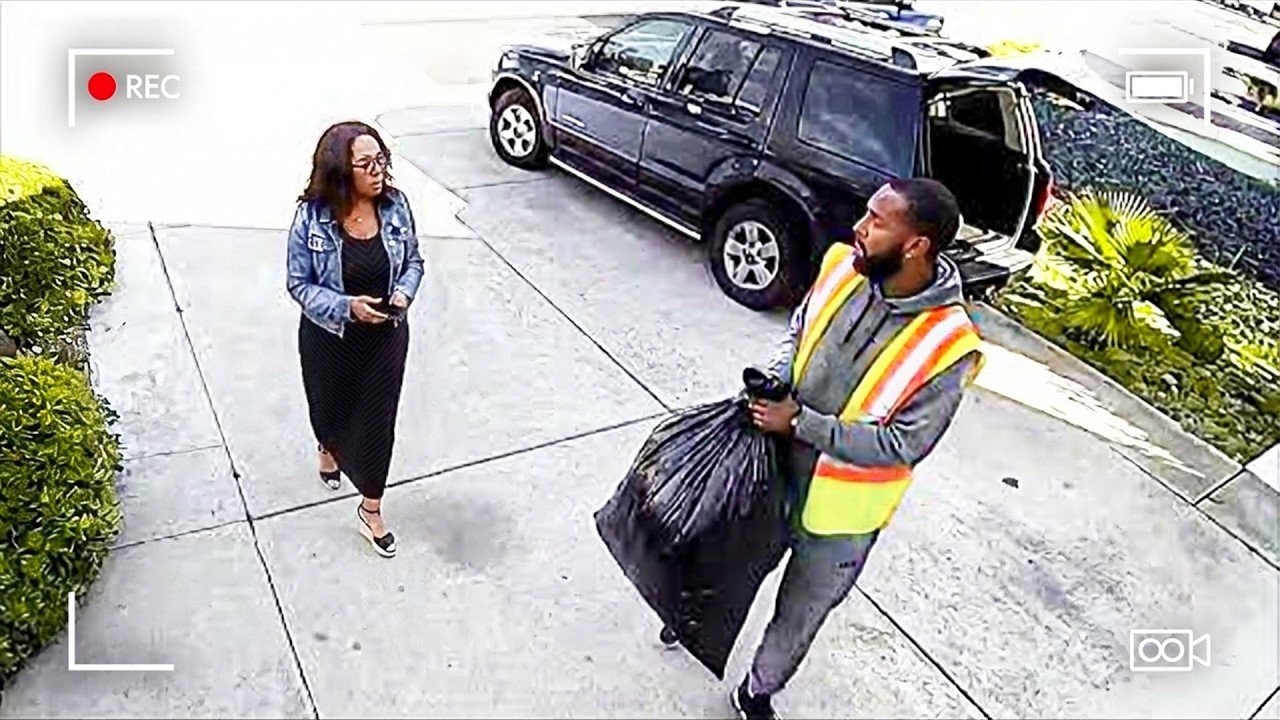
Video Credit: Raw Truth Unfiltered
Power Pulse Magazine | PPM
PPM — Power Pulse Media
Curated Experiences. Trusted Voices. Real Culture.
Share
What's Your Reaction?
 Like
1
Like
1
 Dislike
0
Dislike
0
 Love
0
Love
0
 Funny
0
Funny
0
 Angry
0
Angry
0
 Sad
0
Sad
0
 Wow
0
Wow
0