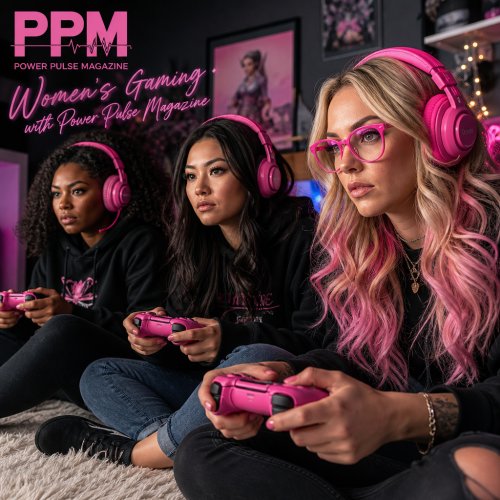
WOMEN ARE GAMING — AND THEY'RE CHANGING THE GAME
Women are no longer a side story in gaming—they are a major part of the global gaming audience. In this PPM feature, we look beyond the stereotypes to explore who women gamers are, how they play, what they play, how they spend, and where they fit into the future of gaming and esports. From mobile and console players to competitive gamers across generations, women are helping shape gaming culture, the industry and its next chapter. PPM Take: Women aren't entering gaming—they've been here. The industry is finally catching up to their presence and influence.


WOMEN ARE GAMING — AND THEY'RE CHANGING THE GAME
Spotlight: Women Gamers, From Mobile Players to Esports Competitors
Category: Gaming / Women in Gaming / Esports
By: PPM Female Staff | Kate Ford, Beauty Editor; Maya Brooks, Lifestyle & Wellness Writer; Lena Voss, Culture & Entertainment Editor; Ann Rivera, Fashion Editor and Eliana Ross, Staff Writer
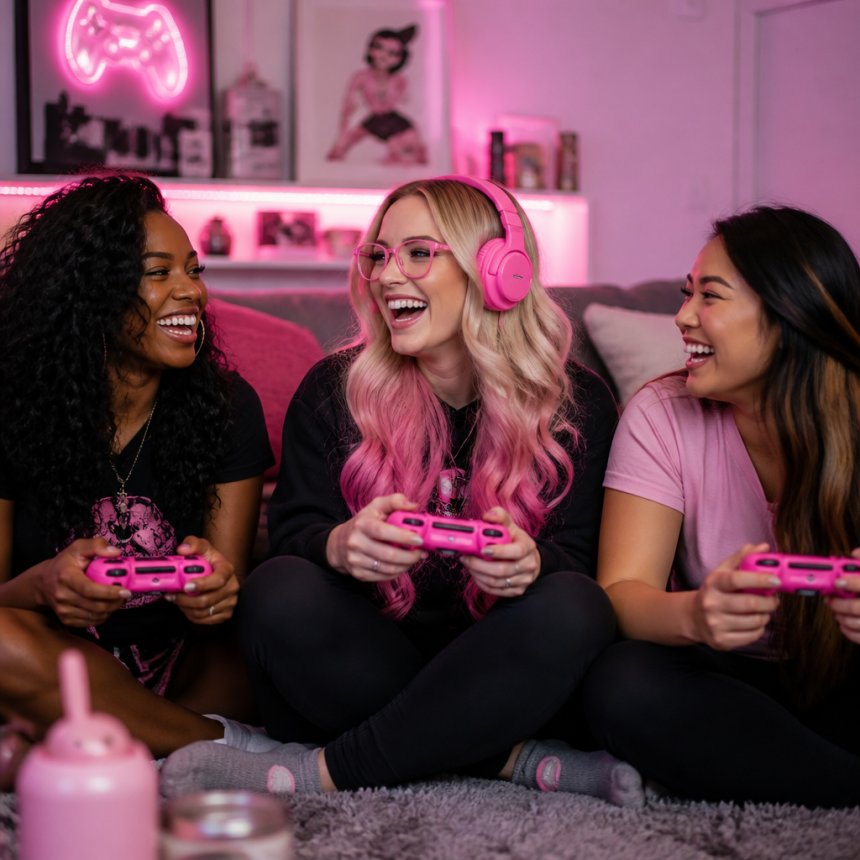
The “Typical Gamer” Is Officially Outdated
For years, gaming culture was marketed around a familiar stereotype: the young male player sitting in front of a console or PC.
The numbers have been telling a very different story.
Women are not a niche gaming audience. They are a massive part of the global player base — and their influence stretches from mobile games and Nintendo Switch to PC, console gaming, streaming and competitive esports.
According to Newzoo's 2025 Global Gamer Study, 76% of women in the global online population aged 10–65 played games during the previous six months, compared with 83% of men. Newzoo's research covers 36 markets.
Other industry research puts women's share of the worldwide gaming audience at approximately 46%–48%, depending on the dataset, market definition and methodology. Bryter's 2025 Women Gamers Study puts women at 48% of gamers worldwide, while Newzoo has reported approximately 46% in its broader market research.
That distinction matters.
There isn't one universal “women gamer percentage.” Different studies measure different populations, ages, platforms and definitions of gaming.
But the overall conclusion is remarkably consistent:
Women are nearly half of the gaming audience.
And that's no longer an emerging trend. It's the market we're already in.
THE U.S. NUMBERS TELL AN IMPORTANT STORY
The latest Entertainment Software Association data provides an even clearer picture of gaming's reach across generations.
In 2026, 212.3 million Americans play video games every week, representing 67% of Americans ages 5–90.
The gender split is:
- 53% male
- 46% female
The remaining percentage reflects other/no-answer responses in the survey.
So, rather than saying women represent 52% of U.S. gamers, the current figure should be reported as 46%.
And that still represents an enormous audience.
More importantly, women aren't disappearing as they get older.
They're staying in the game.
GAMING DOESN'T END AT 30
One of the most interesting developments in gaming is the age distribution.
The ESA's 2026 research found that weekly gaming participation remains substantial across generations:
Generation Age range Playing weekly
Gen Alpha 5–13 80%+
Gen Z 14–29 80%+
Millennials 30–45 71%
Gen X 45–61 56%
Boomers 62–80 50%
Silent Generation 81–90 32%
And there's a particularly interesting reversal:
Among Boomers, women actually play more than men — 52% of Boomer women versus 47% of Boomer men.
That challenges another outdated assumption: that gaming is primarily entertainment for younger generations.
It isn't.
A woman can discover gaming at 20, remain a dedicated player through her 30s and 40s, continue playing in retirement — or pick it up for the first time much later in life.
Gaming has become a multigenerational activity.
HOW WOMEN PLAY

Here's where the story gets more interesting.
Saying “women game” doesn't tell us how women game.
Newzoo's 2025 research shows mobile remains a major access point for female players:
62% of female gamers reported playing on mobile, compared with 60% of male gamers.
Women were less likely than men to report playing on PC or console:
- 28% of women play on console
- 40% of men play on console
- 28% of women play on PC
- 42% of men play on PC
Women were also more likely to own a Nintendo Switch or Switch Lite, with 38% of women reporting ownership compared with 29% of men in Newzoo's study.
So yes, mobile matters.
But here's an important correction to the old narrative:
Women are not “mobile-only gamers.”
Newzoo's earlier research found that 44% of female players played exclusively on mobile — an important statistic, but one that comes from its earlier Global Gamer Study and should not be presented as the latest 2026 platform figure.
The newer data shows something broader:
Women use mobile heavily, but their gaming ecosystem is much larger than mobile.
WHAT ARE WOMEN PLAYING?
Another stereotype that needs retiring?
Women only play casual games.
The latest research doesn't support that simplistic view.
Bryter's 2025 Women Gamers Study found significant growth among women playing traditionally male-skewed genres since 2020:
- Battle Royale: +22%
- Sports games: +12%
- Shooters: +8%
- Fighting games: +8%
The research also found that 66% of women surveyed seek immersive worlds and engaging stories, while six in ten say gaming is an important part of their social lives. Three in four want the games they play to reflect who they are through customization, playstyles or meaningful choices.
That means the female gaming audience cannot be reduced to one genre.
A woman might spend Monday playing a cozy life sim, Wednesday grinding a shooter, Friday playing an RPG and Sunday competing with friends.
That's gaming.
THE WAY WOMEN DISCOVER GAMES IS DIFFERENT, TOO
Newzoo's 2025 data suggests women and men don't always enter the gaming ecosystem through the same doors.
Female gamers were less likely than male gamers to discover games through:
- Specialist gaming websites and communities: 15% vs. 22%
- Developers/publishers: 16% vs. 22%
- Discord communities: 15% vs. 21%
- Gaming subscription recommendations: 19% vs. 24%
- Gaming/social content creators: 26% vs. 30%
But some mainstream discovery channels were almost identical:
- Social media promotions: 37% women vs. 36% men
- Online/app stores: 33% vs. 34%
- Friends' recommendations: 35% vs. 37%
That tells publishers something important:
The woman who discovers a game through TikTok, YouTube, a friend, an app store or a social post isn't necessarily less engaged than someone who found it through a dedicated gaming community.
She may simply have entered through a different door.
AND YES — WOMEN SPEND MONEY ON GAMES
The idea that women play but don't spend is also too simplistic.
Newzoo's latest research found that 43% of female gamers reported spending money on games, compared with 58% of male gamers.
That's a monetization gap — but it is not a lack of commercial value.
And the overall gaming economy is enormous.
In the U.S., consumers spent $60.7 billion on video games in 2025, including approximately:
$52.3 billion on content
$5.4 billion on hardware
$2.95 billion on accessories
Women therefore represent a substantial consumer audience inside an industry generating tens of billions of dollars in annual U.S. spending.
For publishers, developers, advertisers and hardware companies, the message is straightforward:
Understanding women gamers isn't just about representation. It's business.
WOMEN ARE ALSO REDEFINING WHAT “GAMER” MEANS

There's another interesting psychological shift happening.
For years, women who played games were frequently treated as “casual players” rather than gamers.
Bryter's research suggests that identity gap is shrinking.
In 2019, 38% of women surveyed said they wouldn't describe themselves as a gamer. By 2025, that figure had fallen to 24%.
That's significant.
The woman who plays three nights a week, knows her favorite characters, follows game releases, spends money on expansions and talks strategy with friends doesn't need permission to call herself a gamer.
She already is one.
THE ESPORTS PROBLEM: PLAYERS ≠ PROFESSIONALS
This is where the industry's gender gap becomes much more visible.
Women can represent nearly half of the overall gaming audience while remaining dramatically underrepresented at the professional esports level.
A 2025 systematic review of research on women in esports concluded that women remain substantially underrepresented in competitive and professional gaming environments.
And the numbers surrounding women's esports competitions illustrate the problem.
Esports Insider's analysis of 2024 competition data found that women-only tournaments represented:
GAME | WOMEN'S TOURNAMENTS | SHARE OF TOTAL PRIZE POOL (Below)
VALORANT 23.9% | 13.8%
Mobile Legends: Bang Bang 11.7% | 9.1%
Counter-Strike 5.3% | 2.7%
These figures refer specifically to competitions reserved for women, not women's participation in mixed-gender competition.
That's an important distinction.
The question isn't simply:
“Are women playing?”
They clearly are.
The harder question is:
“Why aren't more women reaching the highest competitive levels?”
THE COMPETITIVE WALL
Research into women in esports points toward several interconnected barriers.
They include:
- Representation.
When women rarely see themselves represented at the highest levels, professional esports can feel like an exception rather than a realistic career path.
- Online harassment and toxicity.
Bryter's 2025 study found that one in three women surveyed still experienced gaming toxicity regularly, with younger women reporting the highest levels.
- Community culture.
Academic research has found that gender discrimination, harassment and perceptions surrounding masculine gaming culture can influence women's participation in competitive environments.
The pipeline problem.
If fewer women enter competitive gaming communities, fewer reach amateur competition. If fewer reach amateur competition, fewer reach professional teams.
The result is a pipeline that can shrink at every stage.
BUT THE WOMEN ARE ALREADY HERE
And this is the part worth emphasizing.
Women aren't waiting for gaming to become “more welcoming” before they participate.
They're already:
- Playing.
- Streaming.
- Creating content.
- Buying games.
- Building communities.
- Competing.
- Watching esports.
- Making games.
- Running gaming businesses.
And increasingly, they're demanding to be treated as the audience they already are.
The rise of women in gaming isn't about replacing male gamers.
It's about recognizing that gaming was never as exclusively male as the stereotype suggested.
PPM FEMALE TAKE
We Don't Need a “Girl Gamer” Box
The most interesting thing about women in gaming isn't that women play video games.
We already know that.
The interesting story is how much the definition of a gamer has expanded.
A 19-year-old competitive shooter player.
A 34-year-old RPG fan.
A 46-year-old woman playing on her Switch after work.
A 63-year-old grandmother playing puzzle games.
A woman watching an esports tournament.
A woman streaming from her bedroom.
A woman spending $20 on a game she genuinely loves.
They're all part of the same ecosystem.
And the data increasingly makes one thing difficult to ignore:
The future of gaming isn't being built for one gender.
It's being built around a much bigger audience than the industry once imagined.
Women aren't entering gaming.
Women have been gaming.
Now the industry is finally getting better at seeing them.
THE NUMBERS TO REMEMBER
- 46% — women among U.S. players in ESA's 2026 data.
- 48% — women's estimated share of gamers worldwide in Bryter's 2025 study.
- 76% — women in Newzoo's surveyed global online population who played games during the prior six months.
- 62% — female gamers in Newzoo's 2025 study who played on mobile.
- 44% — female players who played exclusively on mobile in Newzoo's earlier study.
- 43% — female gamers reporting that they spent money on games in Newzoo's latest study.
- 52% — Boomer women playing weekly in the 2026 ESA data, compared with 47% of Boomer men.
- 66% — women in Bryter's 2025 study seeking immersive worlds and engaging stories.
- +22% — growth in women's participation in Battle Royale games since 2020 in Bryter's study.
EDITOR'S NOTE
Women in gaming should not be treated as a seasonal diversity topic or a marketing demographic that appears only during Women's History Month.
The audience is already here — across generations, platforms, genres and competitive levels.
The more useful question for the gaming industry isn't whether women belong.
It's whether the industry is prepared to build, market and compete for the audience it already has.
— PPM Editorial
Sources & Research
- Entertainment Software Association — 2026 Essential Facts About the U.S. Video Game Industry— U.S. participation, gender, age, spending and player behavior.
- Newzoo — Women, Gaming, Discovery & Spending — 2025 Global Gamer Study data on women's participation, platforms, discovery and spending.
- Bryter — Women Gamers Study 2025— women's gaming identity, genres, motivations and toxicity.
- Esports Insider — Female Esports Statistics 2025— women's esports participation, tournaments, prize pools and viewership.
- Academic research on gender disparities and women's participation in esports.
SHORTS

Video Credit: Elina Jasmin
https://youtube.com/shorts/t6gL2pz6Cqw?is=uDvgGUnKfg9oyK5k

Video Credit: Wagner Knows Why?
https://youtube.com/shorts/yJ6xkbRCdQ0?is=tPwrw-PvFXFw-wAC
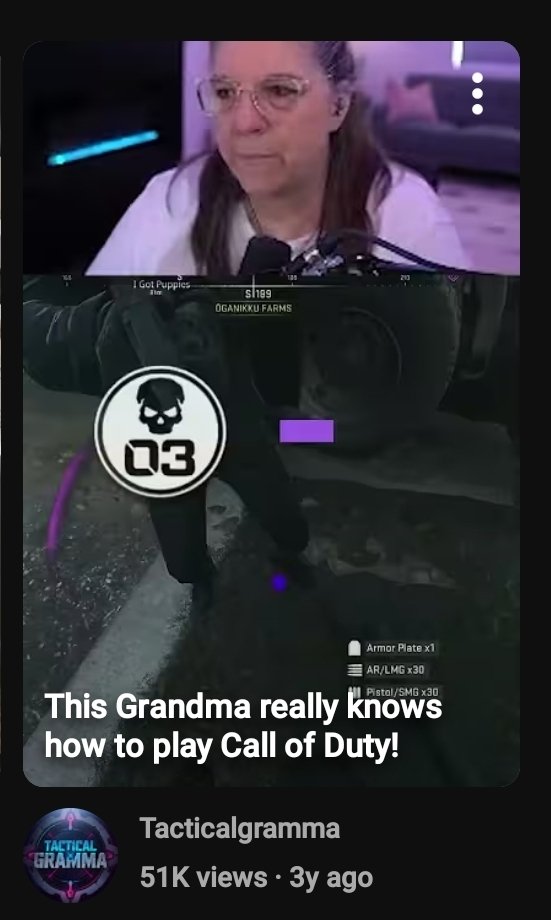
Video Credit: Tacticalgramma
https://youtube.com/shorts/ExQmMYSPcgM?is=aJVpotvSmKRG2HBT
Who remembers NADIA?
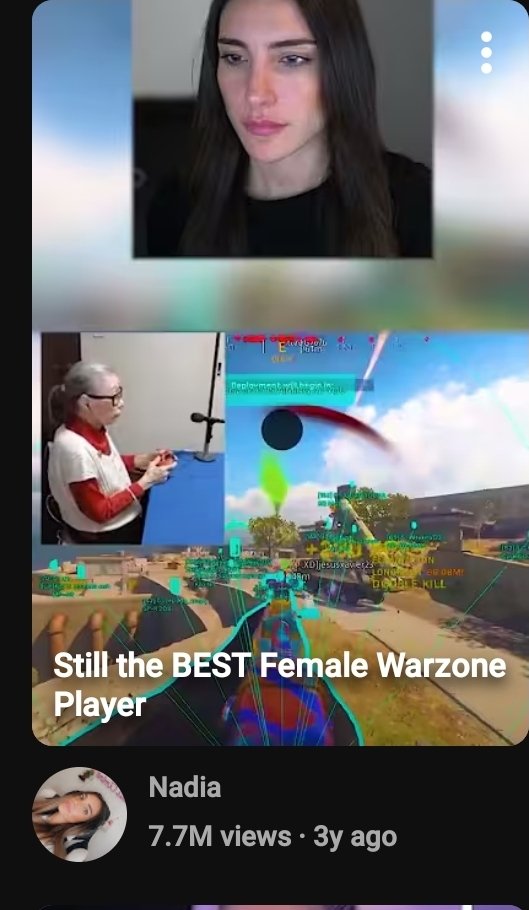
Video Credit: Nadia
https://youtube.com/shorts/aX5GpgtfUkU?is=-86RGG9fLjwLz3bG
PPM Research Disclaimer: AI-assisted research supported the editorial process. Statistics and source material were checked against available source publications, and the article was reviewed and edited by a human editor. Figures may vary between studies because organizations use different samples, age ranges, markets and definitions of “gamer.” Power Pulse Magazine does not present differing methodologies as directly interchangeable.
Share
What's Your Reaction?
 Like
1
Like
1
 Dislike
0
Dislike
0
 Love
1
Love
1
 Funny
0
Funny
0
 Angry
0
Angry
0
 Sad
0
Sad
0
 Wow
1
Wow
1